
Diesel Generators: The Best Guide to Commercial & Industrial Diesel Generators (2025–2026)
Reliable electricity is essential for modern life. Whether you’re powering a construction site, protecting a hospital from outages, operating a manufacturing facility, or preparing your home for emergencies, Diesel Generators continue to be one of the most dependable power solutions available. Built for durability, efficiency, and long-term performance, diesel-powered generators have become the preferred choice for commercial, industrial, agricultural, and emergency backup applications around the world.
Unlike gasoline-powered generators, Diesel Generators are designed to operate for extended periods under heavy loads while delivering excellent fuel economy and consistent electrical output. Their rugged construction, advanced engine technology, and long service life make them ideal for applications where downtime is not an option.
Today’s Diesel Generators are quieter, cleaner, and more technologically advanced than ever before. Modern models feature digital control systems, remote monitoring, automatic transfer switches, Tier 4 Final emissions technology, sound-attenuated enclosures, and intelligent load management systems that maximize efficiency while reducing maintenance costs.
Whether you need dependable standby power for your business, prime power for a remote worksite, or portable electricity for commercial operations, this comprehensive guide explains everything you need to know about Diesel Generators and how to choose the right system for your specific needs.
Why Choose Diesel Generators?
There is a reason why Diesel Generators dominate industries such as construction, healthcare, telecommunications, mining, agriculture, and emergency response.
Diesel engines are engineered for continuous operation and are capable of delivering reliable performance under demanding conditions. They are known for their exceptional durability, lower fuel consumption, and ability to operate efficiently for thousands of hours with proper maintenance.
Some of the biggest advantages of Generators include:
- Outstanding fuel efficiency
- Long engine lifespan
- Lower operating costs
- High torque performance
- Reliable continuous operation
- Excellent load handling
- Commercial-grade durability
- Reduced maintenance compared to gasoline engines
For organizations that depend on uninterrupted electricity, Generators provide one of the most cost-effective long-term power solutions.
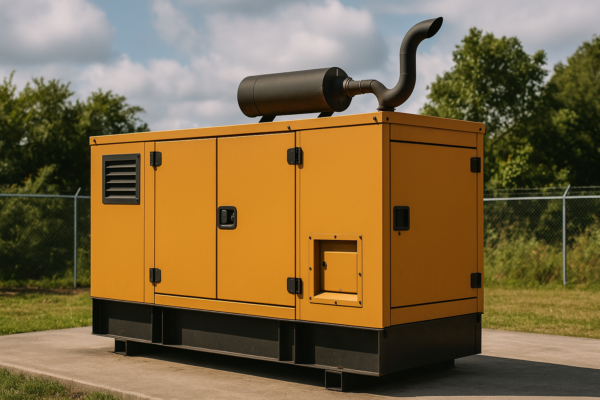
How Diesel Generators Work
The operation of Diesel Generators is based on converting fuel into electrical energy through a highly efficient mechanical process.
Unlike gasoline engines, diesel engines use compression ignition rather than spark plugs. Air is compressed inside the cylinders until it reaches a very high temperature. Diesel fuel is then injected into the hot compressed air, where it ignites automatically.
The resulting combustion pushes the pistons, rotating the crankshaft. This mechanical energy drives the alternator, which converts rotational motion into electrical power.
The primary components include:
Diesel Engine
Provides the mechanical power required to operate the generator.
Alternator
Converts mechanical energy into electricity through electromagnetic induction.
Fuel System
Includes:
- Fuel tank
- Fuel pump
- Fuel injectors
- Fuel filters
Cooling System
Maintains safe engine operating temperatures.
Control Panel
Displays operating information and allows users to monitor system performance.
Voltage Regulator
Maintains stable voltage output to protect connected equipment.
Together, these components allow Generators to produce dependable electricity under virtually any operating condition.
Types of Diesel Generators
There are several types of Generators, each designed for different applications.
Portable Diesel Generators
Portable models are commonly used for:
- Construction sites
- Farms
- Outdoor events
- Mobile businesses
- Equipment maintenance
Their mobility makes them ideal for temporary power requirements.
Standby Diesel Generators
Standby generators remain permanently installed and automatically start during utility outages.
Applications include:
- Hospitals
- Office buildings
- Hotels
- Manufacturing plants
- Residential estates
Automatic operation ensures uninterrupted power.
Prime Power Generators
Prime power units serve as the primary source of electricity where utility power is unavailable.
Common uses include:
- Mining operations
- Remote villages
- Oil and gas fields
- Infrastructure projects
Industrial Diesel Generators
Industrial models provide large-scale electricity for:
- Factories
- Warehouses
- Data centers
- Utilities
- Processing facilities
These heavy-duty Generators are designed for continuous operation.
Benefits of Diesel Generators
The widespread use of Generators is driven by their outstanding versatility and reliability.
Emergency Backup Power
Unexpected outages can interrupt:
- Business operations
- Healthcare services
- Security systems
- Refrigeration
- Communications
Diesel generators restore power quickly and reliably.
Construction Industry
Contractors depend on Generators to operate:
- Welders
- Compressors
- Concrete equipment
- Tower lights
- Power tools
Portable generators eliminate the need for permanent utility connections.
Healthcare Facilities
Hospitals require uninterrupted electricity for:
- Surgical equipment
- Intensive care units
- Laboratory systems
- Emergency lighting
- Medical refrigeration
Reliable backup power protects both patients and critical operations.
Agriculture
Farmers use Diesel Generators for:
- Irrigation systems
- Livestock facilities
- Grain handling
- Water pumps
- Cold storage
Mining and Oil Industries
Remote operations rely on diesel generators because of their:
- Fuel efficiency
- Durability
- Continuous operation capability
- High power output
Telecommunications
Communication towers require dependable backup power to maintain network connectivity during outages.
Choosing the Right Diesel Generator
Selecting the right generator begins with understanding your power requirements.
Determine Your Electrical Load
Calculate:
- Running watts
- Starting watts
- Maximum simultaneous demand
Choosing a generator with additional capacity improves reliability and allows future expansion.
Fuel Capacity
Larger fuel tanks provide:
- Longer runtime
- Reduced refueling
- Better operational efficiency
This is especially important for remote job sites.
Noise Level
Modern enclosed Diesel Generators significantly reduce operating noise.
Sound-attenuated models are ideal for:
- Residential neighborhoods
- Commercial buildings
- Schools
- Hospitals
Cooling System
Available options include:
- Air-cooled
- Liquid-cooled
Liquid-cooled generators generally offer longer service life for continuous-duty applications.
Automatic Transfer Switch
Standby systems often include an automatic transfer switch that:
- Detects outages
- Starts the generator automatically
- Restores utility power after service returns
Important Features to Look For
Today’s Diesel Generators include advanced technologies that improve performance and reliability.
Recommended features include:
- Digital controller
- Automatic voltage regulator
- Electric start
- Remote monitoring
- Low oil shutdown
- Emergency stop switch
- Brushless alternator
- Fuel/water separator
- Hour meter
- Sound-attenuated enclosure
These features improve operational efficiency while protecting both the generator and connected equipment.
Diesel Generator Maintenance
Routine maintenance is essential for maximizing the lifespan of Diesel Generators.
Change Engine Oil
Regular oil changes help reduce wear and improve engine reliability.
Always use the manufacturer’s recommended oil.
Replace Fuel Filters
Clean fuel protects the injection system and improves combustion efficiency.
Inspect Air Filters
Dirty air filters reduce engine performance and increase fuel consumption.
Replace them as needed.
Check Coolant Levels
Liquid-cooled generators require regular coolant inspections.
Proper cooling helps prevent overheating.
Battery Maintenance
Inspect battery terminals for corrosion and verify proper charging.
A healthy battery ensures dependable starting.
Exercise the Generator
Operate the generator periodically under load.
Routine exercise:
- Lubricates internal components
- Prevents fuel system issues
- Confirms operational readiness
Diesel Generator Safety Tips
Safe operation is essential when using Diesel Generators.
Operate Outdoors
Never operate diesel generators inside enclosed spaces.
Proper ventilation prevents dangerous exhaust accumulation.
Inspect Fuel Lines
Check for leaks or damaged hoses before operation.
Maintain Cooling Airflow
Keep ventilation openings free of debris.
Restricted airflow can cause overheating.
Refuel Carefully
Allow the engine to cool before adding fuel.
Avoid spills and keep fuel away from ignition sources.
Use Proper Electrical Connections
Large generators should always be connected by qualified electricians using approved transfer switches.
Diesel Generators vs Gasoline, Propane & Natural Gas Generators
Each fuel type offers unique advantages.
Diesel Generators
Advantages:
- Outstanding fuel efficiency
- Long engine life
- High reliability
- Continuous-duty capability
- Excellent commercial performance
Disadvantages:
- Higher purchase cost
- Heavier equipment
- Louder operation
Gasoline Generators
Advantages:
- Lower purchase price
- Highly portable
- Easy fuel availability
Disadvantages:
- Shorter engine life
- Higher fuel consumption
Propane Generators
Advantages:
- Clean burning
- Long fuel storage
- Lower maintenance
Disadvantages:
- Requires propane storage tanks
Natural Gas Generators
Advantages:
- Continuous fuel supply
- Automatic operation
- Lower emissions
Disadvantages:
- Requires natural gas utility connection
For demanding commercial applications, Diesel Generators remain one of the most economical long-term investments.
Latest Innovations in Diesel Generators (2025–2026)
Modern Diesel Generators continue evolving with new technologies.
Recent innovations include:
- Tier 4 Final emissions systems
- Smart digital controllers
- Remote diagnostics
- Wi-Fi monitoring
- Predictive maintenance
- Hybrid generator systems
- Improved sound attenuation
- Electronic fuel management
- Automatic load sharing
These technologies improve efficiency while reducing environmental impact and operating costs.
Frequently Asked Questions
How long do diesel generators last?
With proper maintenance, many Diesel Generators operate reliably for 20,000 to 30,000 hours or more.
Are diesel generators more fuel efficient?
Yes. Diesel engines typically consume less fuel than comparable gasoline engines while producing more usable power.
Can diesel generators run continuously?
Many industrial diesel generators are specifically designed for continuous prime power applications.
Do diesel generators require regular maintenance?
Yes. Routine maintenance, including oil changes, filter replacement, and periodic inspections, is essential for reliable operation.
Are diesel generators suitable for home backup?
Absolutely. Many homeowners choose standby diesel generators because of their reliability and long service life.
Final Thoughts
As the demand for dependable electricity continues to grow, Diesel Generators remain one of the most trusted power solutions for residential, commercial, industrial, and emergency applications. Their exceptional fuel efficiency, rugged construction, long engine life, and ability to deliver continuous power make them the preferred choice for businesses and organizations where reliability is critical.
Whether you’re protecting your home during storms, powering heavy equipment on a construction site, supporting healthcare facilities, or operating a remote industrial project, Diesel Generators provide the confidence and performance needed to keep operations running without interruption. By selecting the right generator, following a consistent maintenance schedule, and investing in modern features such as digital controls and automatic transfer switches, you can enjoy years of reliable service and outstanding value.
As technology continues to evolve through improved emissions systems, smarter monitoring capabilities, and hybrid energy integration, Diesel Generators will remain a cornerstone of dependable power generation well into the future.