
Tri-Fuel Generators: The Ultimate Guide to Reliable & Versatile Backup Power (2025–2026)
Understanding Tri-Fuel Generator Technology
The biggest advantage of Tri-Fuel Generators is their ability to operate using three different fuel sources: gasoline, propane (LPG), and natural gas. Unlike traditional generators that rely on a single fuel, tri-fuel systems give users unmatched flexibility and peace of mind during emergencies, long-term outages, or remote work where fuel availability may change.
Modern Tri-Fuel Generators are equipped with advanced fuel management systems that allow users to switch between fuel sources with minimal effort. Depending on the generator model, changing fuels may require simply turning a selector valve or switching a fuel selector before restarting the engine.
This versatility makes Tri-Fuel Generators one of the most dependable power solutions available for homeowners, businesses, contractors, RV owners, farms, and emergency preparedness professionals.
How Each Fuel Type Performs
Each fuel offers unique advantages, allowing Tri-Fuel Generators to adapt to different situations.
Gasoline
Gasoline remains the most common generator fuel because it provides the highest power output and is readily available in most locations.
Advantages
- Highest power output
- Easy to obtain
- Excellent for portable applications
- Strong engine performance
Considerations
- Limited shelf life
- Requires fuel stabilizer for long-term storage
- Produces higher emissions
- Greater maintenance requirements
Gasoline is often the preferred fuel when maximum generator output is required.
Propane (LPG)
Propane has become increasingly popular because of its clean-burning properties and excellent storage characteristics.
Benefits
- Cleaner combustion
- Long shelf life
- Reduced engine deposits
- Lower emissions
- Easier fuel storage
- Minimal fuel degradation
Although propane typically produces slightly less power than gasoline, many users appreciate its reliability during emergencies.
Natural Gas
Natural gas offers perhaps the greatest convenience for permanently installed generators.
When connected to a municipal natural gas supply, Tri-Fuel Generators can operate continuously without the need for refueling.
Advantages
- Continuous fuel supply
- No fuel storage required
- Lowest emissions
- Lower operating costs
- Excellent for long-term outages
Natural gas generally produces the lowest maximum power output of the three fuel options, but its virtually unlimited runtime often outweighs this limitation.
Why Choose Tri-Fuel Generators?
More homeowners and businesses are investing in Tri-Fuel Generators because they eliminate many of the limitations associated with single-fuel generators.
Some of the biggest advantages include:
- Three fuel choices
- Greater emergency preparedness
- Extended runtime
- Lower operating costs
- Improved fuel availability
- Cleaner operation
- Longer engine life
- Better investment value
Whether you’re preparing for severe weather or operating equipment on a remote job site, Tri-Fuel Generators provide unmatched flexibility.
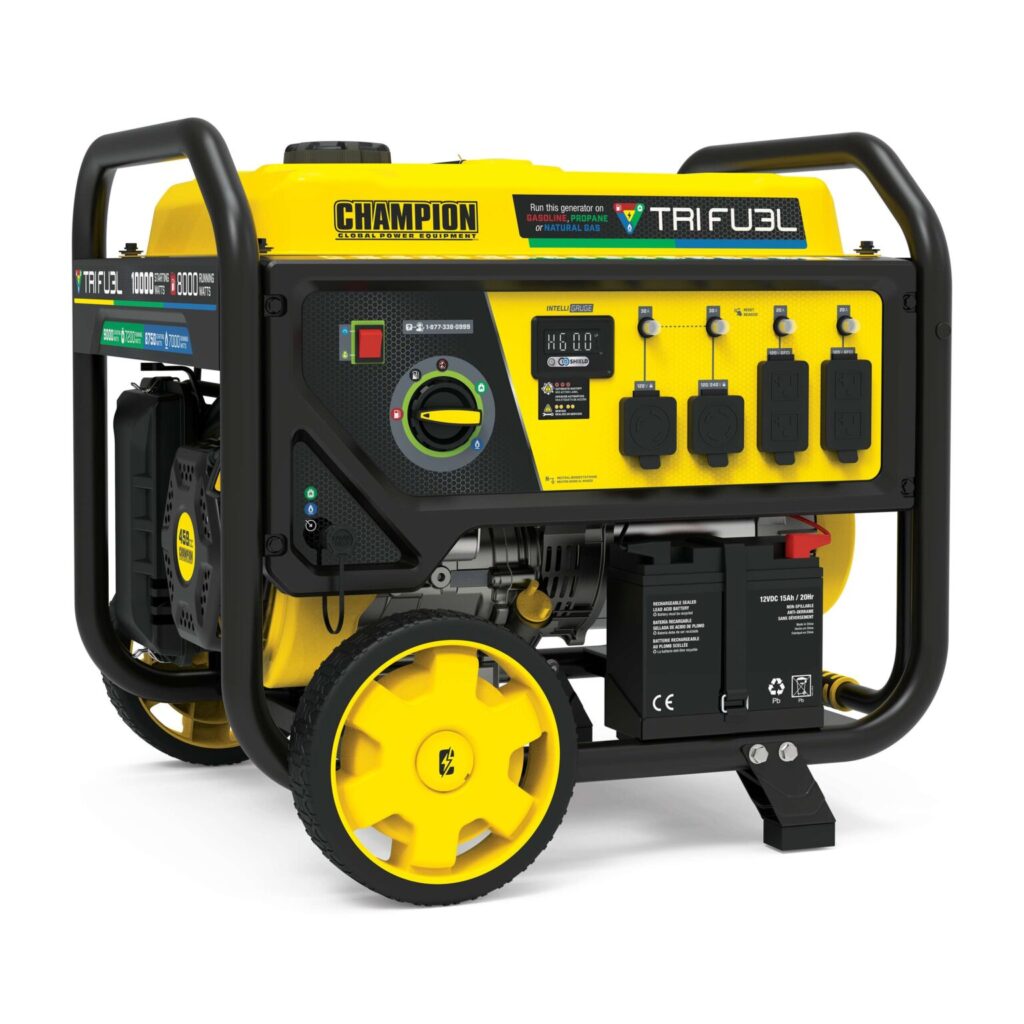
Unmatched Fuel Flexibility
Fuel shortages are common during hurricanes, snowstorms, and other emergencies.
If gasoline stations become inaccessible, propane or natural gas may still be available.
The ability to switch between fuels allows Tri-Fuel Generators to continue operating when other generators may be forced to shut down.
This flexibility provides valuable peace of mind during extended outages.
Lower Operating Costs
Fuel prices constantly fluctuate.
With Tri-Fuel Generators, users can simply operate on whichever fuel is most economical.
For example:
- Use gasoline for maximum output.
- Switch to propane for cleaner operation.
- Connect to natural gas for continuous low-cost power.
Over time, this flexibility can significantly reduce operating expenses.
Longer Runtime
One of the greatest benefits of Tri-Fuel Generators is extended operating time.
Large propane tanks provide substantially longer runtime than standard gasoline tanks.
Natural gas connections can supply fuel continuously for days or even weeks without interruption, making tri-fuel systems especially valuable during prolonged emergencies.
Cleaner Operation
Both propane and natural gas burn much cleaner than gasoline.
Benefits include:
- Reduced carbon buildup
- Cleaner spark plugs
- Lower emissions
- Improved engine longevity
- Less frequent maintenance
Many users choose Tri-Fuel Generators specifically because cleaner fuels help extend engine life.
Applications for Tri-Fuel Generators
The versatility of Tri-Fuel Generators makes them suitable for nearly every industry.
Home Backup Power
Unexpected outages can interrupt:
- Refrigerators
- Freezers
- Heating systems
- Air conditioning
- Internet
- Medical equipment
- Lighting
- Security systems
A tri-fuel generator ensures essential household systems remain operational.
Commercial Businesses
Businesses depend on electricity to maintain:
- Customer service
- Inventory
- Computer networks
- Payment systems
- Security equipment
Reliable Tri-Fuel Generators minimize costly downtime.
Construction Sites
Contractors use generators to power:
- Compressors
- Circular saws
- Concrete mixers
- Welders
- Lighting systems
- Power tools
Fuel flexibility makes Tri-Fuel Generators ideal for remote job sites.
RV and Camping
Campers appreciate the ability to operate from onboard propane tanks while maintaining gasoline as a backup option.
Generators can power:
- Air conditioners
- Coffee makers
- Microwaves
- Televisions
- Battery chargers
Farms and Agriculture
Agricultural operations frequently rely on Tri-Fuel Generators for:
- Irrigation pumps
- Livestock facilities
- Barn lighting
- Water systems
- Feed equipment
Reliable backup power protects crops and livestock during emergencies.
Mobile Businesses
Food trucks, mobile salons, repair vehicles, and event vendors benefit from dependable portable electricity.
Tri-fuel capability reduces concerns about fuel availability while traveling.
Choosing the Right Tri-Fuel Generator
Selecting the best Tri-Fuel Generators depends on your intended application.
Determine Your Power Requirements
Calculate:
- Running watts
- Starting watts
- Maximum simultaneous electrical demand
Always choose a generator with additional capacity for future expansion.
Portable vs Standby
Portable Tri-Fuel Generators
Ideal for:
- Camping
- Construction
- Outdoor events
- Emergency home backup
Advantages include affordability and mobility.
Standby Tri-Fuel Generators
Better suited for:
- Homes
- Commercial buildings
- Healthcare facilities
- Businesses
Standby systems provide automatic operation during power failures.
Fuel Storage
Consider your available fuel sources.
Questions to ask include:
- Do you have natural gas service?
- Can propane tanks be safely stored?
- Is gasoline readily available?
Fuel availability often determines the best operating mode for Tri-Fuel Generators.
Noise Level
If operating near homes or campgrounds, consider enclosed or inverter-style generators designed for quieter operation.
Engine Quality
High-quality engines provide:
- Better fuel economy
- Longer lifespan
- Improved reliability
- Lower maintenance
Look for reputable commercial-grade engine manufacturers when purchasing Tri-Fuel Generators
Important Features to Look For
Modern Tri-Fuel Generators are equipped with advanced technology that makes them more efficient, safer, and easier to operate than ever before. Whether you’re purchasing a generator for home backup, commercial use, or recreational activities, choosing a model with the right features can significantly improve performance and long-term reliability.
Electric Start
Electric start systems eliminate the need for manual pull-starting. With the push of a button, users can quickly start the generator, making it especially useful during emergencies or adverse weather conditions.
Remote Start
Some premium Tri-Fuel Generators include remote start capability, allowing users to start or stop the generator from inside a home, RV, or commercial building.
Automatic Voltage Regulation (AVR)
Automatic Voltage Regulation helps maintain stable voltage output, protecting sensitive electronics such as:
- Computers
- Medical devices
- Televisions
- Networking equipment
- Smart home systems
Stable power is particularly important when running expensive electronic equipment.
Carbon Monoxide Detection
Many modern generators now include carbon monoxide monitoring systems that automatically shut down the engine if dangerous CO levels are detected nearby.
This safety feature provides additional protection for homeowners and outdoor users.
Low Oil Shutdown
Running an engine with insufficient oil can cause severe damage.
Most quality Tri-Fuel Generators automatically shut down when oil levels become too low, preventing costly repairs.
Digital Display
Modern LCD control panels provide valuable operating information including:
- Voltage
- Frequency
- Engine hours
- Fuel status
- Maintenance reminders
- Error diagnostics
These displays make generator monitoring much easier.
Multiple Receptacles
Look for generators equipped with a variety of outlet types such as:
- Household outlets
- Twist-lock receptacles
- RV outlets
- GFCI-protected outlets
- 240-volt outlets
This allows one generator to power a wide range of equipment.
Tri-Fuel Generator Maintenance
Proper maintenance helps ensure your Tri-Fuel Generators remain dependable for many years.
Change Engine Oil
Fresh engine oil reduces wear and extends engine life.
Follow the manufacturer’s recommended maintenance intervals.
Replace Air Filters
Clean air filters improve:
- Fuel economy
- Engine performance
- Reliability
Dirty filters reduce airflow and increase fuel consumption.
Inspect Spark Plugs
Replace worn spark plugs as necessary to maintain easy starting and efficient combustion.
Inspect Fuel Lines
Regularly examine:
- Gasoline fuel lines
- Propane hoses
- Natural gas connections
- Regulators
- Fittings
Repair damaged components immediately.
Exercise the Generator
Even if the generator isn’t used frequently, run it under load for approximately 20 to 30 minutes every month.
Routine operation helps:
- Lubricate internal components
- Prevent fuel system problems
- Verify reliable starting
- Extend engine life
Battery Maintenance
Electric-start generators rely on healthy batteries.
Inspect battery terminals regularly for corrosion and ensure proper charging.
Safety Tips for Tri-Fuel Generators
Like all power equipment, Tri-Fuel Generators should always be operated safely.
Never Operate Indoors
Generators produce carbon monoxide.
Always operate generators:
- Outdoors
- Away from windows
- Away from doors
- Away from ventilation systems
Store Fuel Safely
Gasoline should always be stored in approved fuel containers.
Propane cylinders should remain upright and outdoors.
Natural gas connections should be installed only by qualified professionals.
Refuel Carefully
Allow gasoline-powered systems to cool before refueling.
Inspect propane and natural gas connections before operation.
Use Proper Extension Cords
Only use heavy-duty outdoor-rated extension cords capable of handling the generator’s electrical output.
Install Carbon Monoxide Detectors
Every home using generators should have working carbon monoxide detectors installed.
Follow Manufacturer Instructions
Always read and follow the owner’s manual before operating your generator.
Tri-Fuel vs Dual Fuel vs Single Fuel Generators
Choosing the right generator often comes down to flexibility and intended use.
Tri-Fuel Generators
Advantages:
- Three fuel options
- Maximum flexibility
- Greater emergency preparedness
- Longer runtime
- Lower long-term operating costs
- Better fuel availability
Disadvantages:
- Higher purchase price
- Slightly more complex fuel system
Dual Fuel Generators
Advantages:
- Two fuel options
- Good flexibility
- Lower purchase price
- Cleaner propane operation
Disadvantages:
- Less versatile than tri-fuel systems
Single Fuel Generators
Advantages:
- Lowest initial cost
- Simple operation
- Widely available
Disadvantages:
- Limited fuel flexibility
- Greater dependence on one fuel source
For users seeking maximum reliability and long-term versatility, Tri-Fuel Generators remain one of the best investments available.
Latest Innovations in Tri-Fuel Generators (2025–2026)
Technology continues improving the performance of Tri-Fuel Generators.
Recent innovations include:
- Smartphone monitoring
- Bluetooth connectivity
- Wi-Fi diagnostics
- Remote maintenance alerts
- Carbon monoxide shutdown technology
- Digital inverter systems
- Parallel operation capability
- Electronic fuel injection
- Automatic idle control
- Smart load management
These features improve fuel efficiency, convenience, and overall reliability.
Frequently Asked Questions
Are Tri-Fuel Generators worth the investment?
Yes. Their ability to operate on gasoline, propane, or natural gas provides unmatched flexibility, making them ideal for emergency preparedness and long-term reliability.
Which fuel provides the highest power output?
Gasoline generally delivers the highest maximum wattage.
Natural gas typically produces the lowest rated output, while propane falls between the two.
Can I switch fuels while the generator is operating?
Many models require the generator to be shut down before changing fuels.
Always follow the manufacturer’s instructions.
Do Tri-Fuel Generators require more maintenance?
Not necessarily.
When operating on propane or natural gas, cleaner combustion often reduces carbon buildup and maintenance requirements.
Can a Tri-Fuel Generator power an entire house?
Yes.
Properly sized standby or portable generators connected through a transfer switch can supply electricity to an entire home during power outages.
Are Tri-Fuel Generators suitable for commercial use?
Absolutely.
Many contractors, farms, mobile businesses, industrial facilities, and emergency response teams rely on Tri-Fuel Generators because of their outstanding fuel flexibility and dependable performance.
Final Thoughts
As energy demands continue to increase and extreme weather events become more frequent, reliable backup power has become an essential investment rather than a luxury. Tri-Fuel Generators provide one of the most versatile and dependable solutions available by allowing users to choose between gasoline, propane, and natural gas depending on availability, cost, and operating conditions.
Whether you’re protecting your family during extended power outages, operating equipment on remote construction sites, running a mobile business, or preparing for emergencies, Tri-Fuel Generators deliver exceptional flexibility, lower operating costs, and dependable performance. Their ability to adapt to changing fuel availability gives them a significant advantage over traditional single-fuel generators.
By selecting the correct generator size, investing in quality equipment, following routine maintenance schedules, and practicing safe operation, you can enjoy years of reliable service and peace of mind. As technology continues to evolve with smarter controls, quieter operation, improved fuel efficiency, and enhanced safety systems, Tri-Fuel Generators will remain one of the most practical and future-ready power solutions for homes, businesses, and professionals alike.