
Gas Generators: The Ultimate Guide to Portable & Standby Gas Generators (2025–2026)
In today’s world, dependable electricity is more important than ever. Whether you’re preparing for unexpected power outages, managing a construction site, running a mobile business, or planning your next camping adventure, Gas Generators remain one of the most practical and cost-effective power solutions available. Their versatility, affordability, and ease of use have made them the preferred choice for homeowners, contractors, farmers, emergency responders, and outdoor enthusiasts alike.
Modern Gas Generators are more efficient, quieter, and safer than ever before. With advances in engine technology, inverter systems, fuel efficiency, and digital monitoring, today’s generators can provide reliable power while consuming less fuel and producing lower emissions than older models.
In this comprehensive guide, we’ll explore everything you need to know about Gas Generators, including how they work, the different types available, their benefits, common applications, maintenance requirements, safety tips, and how to choose the right generator for your specific needs.
Why Choose Gas Generators?
There are many reasons why Gas Generators continue to dominate both residential and commercial markets.
Unlike permanently installed backup systems that require significant installation costs, portable gas generators provide immediate access to electricity whenever and wherever it’s needed. Gasoline is widely available, making refueling quick and convenient during emergencies or remote operations.
Some of the biggest advantages of Gas Generators include:
- Affordable initial investment
- Easy fuel availability
- Portable designs
- Reliable emergency backup power
- Wide range of power outputs
- Simple operation and maintenance
- Excellent performance for residential and commercial applications
For many users, these benefits make Gas Generators the perfect balance between performance and affordability.
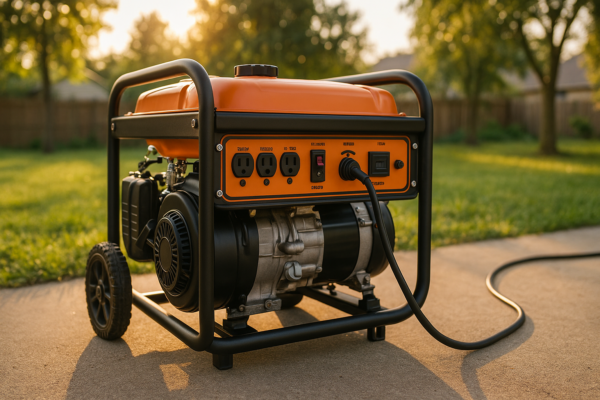
How Gas Generators Work
Although generator technology has advanced significantly, the basic operating principle remains straightforward.
A gasoline engine converts fuel into mechanical energy. That mechanical energy spins an alternator, which generates electricity that powers your appliances, equipment, or tools.
The main components include:
Gasoline Engine
The engine serves as the power source, converting fuel into rotational energy.
Alternator
The alternator transforms mechanical energy into electrical power.
Fuel Tank
Stores gasoline needed for continuous operation.
Voltage Regulator
Maintains stable electrical output to protect connected equipment.
Control Panel
Provides access to outlets, switches, gauges, and safety features.
Together, these components allow Gas Generators to provide dependable electricity wherever grid power is unavailable.
Types of Gas Generators
Understanding the different types of Gas Generators can help you select the model that best matches your needs.
Portable Gas Generators
Portable generators are the most common type and are designed for temporary power applications.
They are ideal for:
- Home backup
- Construction sites
- Outdoor events
- Mobile businesses
- Recreational activities
Their portability makes them highly versatile.
Inverter Gas Generators
Inverter generators produce cleaner electricity suitable for sensitive electronics.
Advantages include:
- Quieter operation
- Better fuel efficiency
- Stable power output
- Lightweight construction
These are excellent choices for RV owners, campers, and homeowners.
Standby Gas Generators
Standby generators are permanently installed and automatically start during utility outages.
Benefits include:
- Automatic operation
- Higher power capacity
- Seamless power restoration
- Ideal for whole-home backup
Although more expensive, they provide unmatched convenience.
Dual Fuel Generators
Dual-fuel generators operate using either gasoline or propane.
This flexibility allows users to:
- Extend runtime
- Reduce fuel concerns
- Prepare for emergencies
- Lower operating costs
Tri-Fuel Generators
Tri-fuel models add natural gas as a third fuel option, making them among the most versatile Gas Generators available today.
Benefits of Gas Generators
The popularity of Gas Generators is largely due to their impressive range of applications.
Reliable Emergency Backup Power
Power outages can occur without warning due to storms, equipment failures, or natural disasters.
A generator can keep essential appliances running, including:
- Refrigerators
- Freezers
- Medical equipment
- Internet routers
- Lighting
- Heating and cooling systems
Construction and Job Sites
Contractors rely heavily on Gas Generators to power:
- Circular saws
- Compressors
- Drills
- Welders
- Lighting systems
Portable generators eliminate the need for permanent electrical connections.
Camping and RV Travel
Outdoor enthusiasts appreciate the convenience of portable generators.
They can power:
- Air conditioners
- Coffee makers
- Microwaves
- Battery chargers
- Televisions
This makes camping more comfortable without sacrificing convenience.
Mobile Businesses
Food trucks, mobile grooming services, and event vendors depend on Gas Generators to operate equipment such as:
- Refrigerators
- Cooking appliances
- POS systems
- Lighting
- Audio equipment
Reliable portable power keeps businesses running smoothly.
Agricultural Operations
Farmers frequently use generators to operate:
- Water pumps
- Barn lighting
- Feeding equipment
- Electric fencing
- Irrigation systems
Choosing the Right Gas Generator
Selecting the best generator depends on several important factors.
Determine Your Power Requirements
Start by calculating the running wattage of all equipment you intend to operate simultaneously.
Remember to account for:
- Running watts
- Starting watts
- Future expansion
Choosing a slightly larger generator provides additional flexibility.
Fuel Capacity
Larger fuel tanks provide longer runtimes.
Consider:
- Emergency use
- Daily commercial use
- Remote locations
Runtime
Look for generators capable of operating at least 8 to 12 hours on one tank.
Longer runtimes reduce interruptions and refueling frequency.
Noise Level
Generator noise is measured in decibels.
Inverter models typically produce significantly less noise than conventional Gas Generators, making them ideal for residential neighborhoods and campgrounds.
Portability
If you’ll frequently transport your generator, look for:
- Wheels
- Foldable handles
- Compact designs
- Lightweight construction
Features to Look For
Modern Gas Generators include numerous features that improve convenience and safety.
Important features include:
- Electric start
- Automatic low-oil shutdown
- Fuel gauge
- Hour meter
- Digital display
- Copper alternator windings
- Brushless alternator
- GFCI outlets
- Multiple receptacles
- Automatic voltage regulation
These features help improve reliability while protecting connected equipment.
Gas Generator Maintenance
Routine maintenance helps maximize performance and lifespan.
Change Engine Oil
Regular oil changes reduce wear and improve engine performance.
Always follow manufacturer recommendations.
Clean or Replace Air Filters
A clean air filter improves:
- Fuel economy
- Engine performance
- Reliability
Inspect Spark Plugs
Spark plugs should be inspected regularly and replaced when worn.
Check Fuel System
Avoid stale gasoline by:
- Using fuel stabilizer
- Draining fuel during long-term storage
- Keeping the fuel tank clean
Test Monthly
Running your generator once each month keeps internal components lubricated and ensures reliable starting during emergencies.
Gas Generator Safety Tips
Safe operation is essential.
Always follow these guidelines:
Never Operate Indoors
Gasoline generators produce carbon monoxide, which is deadly.
Always operate generators outdoors in well-ventilated areas.
Keep Dry
Protect your generator from rain and standing water.
Moisture increases the risk of electric shock.
Refuel Safely
Never add gasoline while the engine is running or still hot.
Allow sufficient cooling time before refueling.
Use Proper Extension Cords
Only use heavy-duty extension cords rated for outdoor use.
Install Carbon Monoxide Detectors
Every home using Gas Generators should have functioning carbon monoxide detectors installed.
Gas Generators vs Diesel Generators
Many buyers compare gasoline and diesel generators before making a purchase.
Gas Generators
Advantages:
- Lower purchase price
- Widely available fuel
- Easier starting in cold weather
- Lighter weight
- Portable
Disadvantages:
- Shorter engine lifespan
- Slightly higher fuel consumption
- Gasoline has a shorter storage life
Diesel Generators
Advantages:
- Longer engine life
- Better fuel economy
- Higher durability
- Better suited for continuous commercial use
Disadvantages:
- Higher purchase cost
- Heavier construction
- Louder operation
Your intended application should determine which option is best.
Latest Innovations in Gas Generators (2025–2026)
Today’s Gas Generators incorporate several exciting advancements.
These include:
- Bluetooth monitoring
- Smartphone apps
- Electronic fuel injection
- Automatic idle control
- Improved fuel efficiency
- Lower emissions
- Digital inverter technology
- Quieter operation
- Parallel capability for increased output
These innovations continue improving performance while reducing operating costs.
Frequently Asked Questions
How long do gas generators last?
With proper maintenance, quality generators often provide between 2,000 and 5,000 operating hours.
Can a gas generator power an entire house?
Yes, provided it has sufficient wattage or is connected through an appropriate transfer switch.
Are gas generators safe?
Yes, when operated outdoors and according to manufacturer safety instructions.
How often should I service my generator?
Most manufacturers recommend changing oil every 50 to 100 operating hours and performing annual inspections.
What size gas generator do I need?
That depends on the total running and starting wattage of the equipment you plan to operate simultaneously.
Final Thoughts
Whether you’re preparing for emergency power outages, operating a construction site, managing a mobile business, or enjoying outdoor adventures, Gas Generators remain one of the most practical and dependable power solutions available. Their affordability, portability, and ease of operation make them an excellent investment for homeowners and professionals alike.
As technology continues to evolve, modern Gas Generators offer quieter operation, greater fuel efficiency, advanced safety features, and cleaner power than ever before. By understanding your power requirements, choosing the right generator type, and following proper maintenance and safety practices, you can enjoy years of dependable performance.
Investing in a high-quality gas generator ensures you’re always prepared—whether you’re facing an unexpected outage, working on a remote job site, or simply enjoying life off the grid. With the right generator, reliable power is always within reach.