
Natural Gas Generators: The Ultimate Guide to Portable & Standby Natural Gas Generators (2025–2027)
As homes and businesses become increasingly dependent on electricity, having a reliable backup power solution is more important than ever. From severe storms and hurricanes to unexpected grid failures and planned utility maintenance, power outages can occur without warning, leaving families and businesses without lighting, heating, cooling, internet access, refrigeration, or critical equipment. This is where Natural Gas Generators provide an outstanding solution.
Unlike gasoline or diesel generators that require regular refueling, Natural Gas Generators connect directly to your home’s or business’s natural gas supply, providing a continuous source of fuel whenever electricity is unavailable. Their automatic operation, clean-burning fuel, and lower maintenance requirements have made them one of the most popular backup power solutions for residential, commercial, and industrial applications.
Modern Natural Gas Generators are designed to deliver dependable power while operating quietly and efficiently. Many models feature advanced digital controls, automatic transfer switches, remote monitoring, smartphone connectivity, and weather-resistant enclosures that ensure dependable operation throughout the year.
Whether you’re protecting your family during emergencies, safeguarding a commercial facility, or ensuring uninterrupted operations at a critical site, this comprehensive guide explains everything you need to know about Natural Gas Generators and how to choose the right system for your needs.
Why Choose Natural Gas Generators?
There are many reasons why homeowners and business owners continue investing in Natural Gas Generators.
Perhaps the greatest advantage is the unlimited fuel supply. Because these generators connect directly to municipal natural gas lines, there is no need to store gasoline, refill diesel tanks, or monitor propane levels. As long as natural gas service remains available, the generator can continue operating.
Additional benefits include:
- Continuous fuel supply
- Automatic operation
- Cleaner-burning fuel
- Lower emissions
- Reduced maintenance
- Quiet operation
- Long engine life
- Cost-effective long-term operation
For users seeking dependable backup power with minimal maintenance, Natural Gas Generators remain one of the smartest investments available.
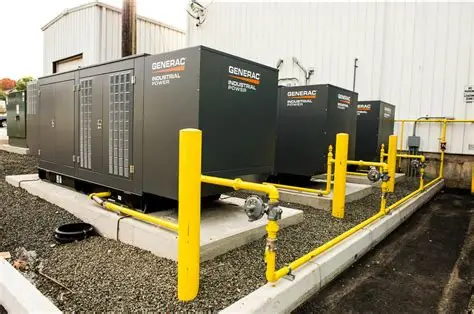
How Natural Gas Generators Work
Although the technology has evolved significantly over the years, the operating principle of Natural Gas Generators remains straightforward.
Natural gas flows from the utility pipeline into the generator through a regulated fuel supply. Inside the engine, the gas mixes with air before being ignited by spark plugs. The combustion process drives the pistons, creating mechanical energy that rotates the alternator.
The alternator then converts this mechanical energy into electrical power that supplies your home or business.
The major components include:
Natural Gas Engine
Converts fuel into mechanical power.
Alternator
Produces electricity from engine rotation.
Fuel Delivery System
Includes regulators, valves, and fuel lines connected to the natural gas supply.
Voltage Regulator
Maintains stable voltage for sensitive equipment.
Control Panel
Displays operating information and allows manual control when needed.
Automatic Transfer Switch
Automatically detects utility outages and starts the generator without user intervention.
Together, these components enable Natural Gas Generators to provide reliable, uninterrupted electricity during power failures.
Types of Natural Gas Generators
Different applications require different generator designs.
Understanding the available types helps ensure you choose the best model.
Standby Natural Gas Generators
Standby generators are permanently installed outside homes or commercial buildings.
They automatically:
- Detect utility outages
- Start within seconds
- Restore power
- Shut down automatically once utility power returns
These systems provide the highest level of convenience and reliability.
Portable Natural Gas Generators
Portable Natural Gas Generators are designed for temporary applications.
Common uses include:
- Job sites
- Outdoor events
- Mobile businesses
- Recreational activities
These generators offer flexibility while benefiting from cleaner natural gas operation.
Commercial Natural Gas Generators
Commercial systems provide higher output for:
- Office buildings
- Manufacturing facilities
- Warehouses
- Shopping centers
- Hotels
- Restaurants
These generators are engineered for continuous operation under demanding conditions.
Dual Fuel Generators
Dual-fuel models operate using:
- Natural gas
- Gasoline
This flexibility provides an additional layer of emergency preparedness.
Tri-Fuel Generators
Tri-fuel systems can operate using:
- Natural gas
- Propane
- Gasoline
These generators provide maximum versatility across changing fuel availability.
Benefits of Natural Gas Generators
The popularity of Natural Gas Generators continues growing because they provide dependable backup power across numerous applications.
Home Backup Power
One of the most common uses is residential emergency power.
These generators keep essential systems operating, including:
- Refrigerators
- Air conditioning
- Heating systems
- Lighting
- Internet equipment
- Medical devices
- Security systems
Commercial Buildings
Businesses rely on Natural Gas Generators to maintain:
- Computer networks
- Point-of-sale systems
- Security equipment
- Customer service operations
- Inventory protection
Reliable electricity helps minimize downtime and financial losses.
Healthcare Facilities
Hospitals and medical clinics depend on continuous power for:
- Medical equipment
- Life-support systems
- Emergency lighting
- Climate control
- Patient monitoring
Data Centers
Modern businesses rely heavily on uninterrupted data processing.
Natural Gas Generators help protect:
- Servers
- Networking equipment
- Cloud infrastructure
- Telecommunications
Industrial Operations
Manufacturing plants often require continuous electricity for:
- Production equipment
- Automation systems
- Process controls
- Safety systems
Agricultural Applications
Farmers frequently use Natural Gas Generators for:
- Irrigation systems
- Barn ventilation
- Livestock facilities
- Water pumps
- Grain storage
Choosing the Right Natural Gas Generator
Selecting the right generator requires careful planning.
Determine Your Power Requirements
Calculate the combined running wattage of all equipment you intend to power.
Remember to include:
- Running watts
- Starting watts
- Future expansion
Choosing a generator with additional capacity improves reliability.
Fuel Supply Availability
Because Natural Gas Generators rely on utility gas service, confirm adequate gas pressure and supply before installation.
A licensed contractor can determine whether upgrades are necessary.
Noise Level
Modern standby generators feature sound-attenuated enclosures that significantly reduce operating noise.
This is particularly important in residential neighborhoods.
Automatic Transfer Switch
An automatic transfer switch allows the generator to:
- Detect outages
- Start automatically
- Transfer electrical loads
- Restore utility power when available
This feature provides seamless backup operation.
Installation Location
Generators should be installed:
- Outdoors
- On level surfaces
- Away from windows and doors
- In accordance with local building codes
Professional installation is strongly recommended.
Important Features to Look For
Today’s Natural Gas Generators include many advanced features.
Look for:
- Automatic start
- Remote monitoring
- Wi-Fi connectivity
- Digital controller
- Weatherproof enclosure
- Automatic voltage regulation
- Low oil shutdown
- Load management
- Exercise timer
- Quiet operation
These technologies improve convenience, reliability, and long-term performance.
Maintenance Tips
Routine maintenance keeps Natural Gas Generators operating efficiently.
Change Engine Oil
Follow manufacturer recommendations regarding oil changes.
Fresh oil helps reduce engine wear.
Inspect Air Filters
Replace dirty air filters regularly.
Clean airflow improves fuel efficiency and engine performance.
Check Spark Plugs
Inspect spark plugs for wear and replace them as necessary.
Battery Maintenance
Standby generators rely on batteries for automatic starting.
Check battery condition regularly.
Exercise the Generator
Most standby systems automatically perform weekly exercise cycles.
These test runs:
- Lubricate engine components
- Charge batteries
- Verify operational readiness
Annual Professional Service
Schedule yearly inspections to ensure optimal performance and identify potential issues before emergencies occur.
Safety Tips
Although Natural Gas Generators are extremely safe when properly installed, users should always follow recommended safety procedures.
Install Carbon Monoxide Detectors
Every home with a backup generator should include working carbon monoxide detectors.
Never Modify Fuel Connections
Natural gas systems should only be installed or serviced by licensed professionals.
Maintain Proper Ventilation
Generators require adequate airflow to prevent overheating.
Never block cooling vents.
Inspect Gas Lines
Periodically inspect gas lines for signs of wear or damage.
Report suspected gas leaks immediately.
Use Licensed Electricians
Electrical connections should always comply with local electrical codes.
Professional installation protects both equipment and occupants.
Natural Gas vs Propane vs Gasoline vs Diesel Generators
Each fuel type offers unique advantages.
Natural Gas Generators
Advantages:
- Unlimited fuel supply
- Cleaner emissions
- Automatic operation
- Lower maintenance
- Excellent long-term reliability
Disadvantages:
- Requires natural gas utility service
- Professional installation
Propane Generators
Advantages:
- Long fuel shelf life
- Clean burning
- Reliable storage
Disadvantages:
- Requires propane tank refills
Gasoline Generators
Advantages:
- Lower purchase price
- Highly portable
- Easy fuel availability
Disadvantages:
- Fuel degrades over time
- Higher maintenance
Diesel Generators
Advantages:
- Long engine life
- Excellent fuel economy
- Ideal for continuous commercial operation
Disadvantages:
- Higher purchase cost
- Louder operation
For permanent backup power, Natural Gas Generators often provide the best balance of convenience, reliability, and operating cost.
Latest Innovations in Natural Gas Generators (2025–2026)
Technology continues improving backup power systems.
Modern Natural Gas Generators now feature:
- Smartphone monitoring
- Wi-Fi diagnostics
- Automatic software updates
- Improved emissions systems
- Electronic fuel management
- Remote maintenance alerts
- Enhanced sound insulation
- Smart load management
These innovations make today’s generators more efficient and easier to manage than ever before.
Frequently Asked Questions
Can natural gas generators power an entire home?
Yes. Properly sized standby generators can provide whole-house backup power.
Do natural gas generators require refueling?
No. They receive fuel continuously from the natural gas utility line.
Are natural gas generators environmentally friendly?
Yes. Natural gas burns cleaner than gasoline and diesel, producing fewer harmful emissions.
How long do natural gas generators last?
With proper maintenance, many systems provide 20 to 30 years of dependable service.
Do natural gas generators require professional installation?
Yes. Because they connect to gas lines and electrical systems, professional installation is strongly recommended.
Final Thoughts
As electrical demand continues to grow and extreme weather events become more common, Natural Gas Generators have become one of the most dependable and convenient backup power solutions available. Their continuous fuel supply, automatic operation, lower emissions, and minimal maintenance requirements make them ideal for homeowners, businesses, healthcare facilities, and industrial operations.
Whether you’re protecting your family from unexpected outages, ensuring uninterrupted business operations, or safeguarding mission-critical equipment, Natural Gas Generators provide the reliability and peace of mind that modern life demands. By selecting the right generator size, investing in professional installation, and following regular maintenance schedules, you can enjoy years of dependable performance and uninterrupted power whenever you need it most.