
Propane Generators: The Ultimate Guide to Portable & Standby Propane Generators (2025–2026)
Power outages can happen without warning, disrupting homes, businesses, construction projects, and outdoor events. Whether caused by severe weather, equipment failures, or planned utility maintenance, losing electricity can lead to inconvenience, financial loss, and even safety concerns. This is why Propane Generators have become one of the most dependable and versatile backup power solutions available today.
Unlike gasoline generators, Propane Generators offer cleaner combustion, longer fuel storage life, lower maintenance requirements, and excellent reliability during emergencies. They are widely used by homeowners, contractors, RV owners, farmers, commercial facilities, hospitals, mobile businesses, and emergency response teams because they provide dependable electricity whenever the power grid fails.
Modern Propane Generators are more efficient, quieter, and technologically advanced than ever before. Many models now include electric start systems, automatic transfer switches, digital monitoring, remote start capabilities, and inverter technology that produces clean electricity suitable for sensitive electronics.
Whether you’re preparing for hurricane season, powering a remote worksite, operating a food truck, or protecting your family during unexpected outages, this comprehensive guide will help you understand everything you need to know about Propane Generators and how to choose the right model for your needs.
Why Choose Propane Generators?
There are many reasons why homeowners and businesses continue choosing Propane Generators over traditional gasoline-powered alternatives.
One of the biggest advantages is fuel stability. Unlike gasoline, propane does not deteriorate over time. It can remain safely stored for years without losing quality, making it ideal for emergency preparedness.
Other major benefits include:
- Cleaner-burning fuel
- Reduced engine deposits
- Lower emissions
- Longer engine life
- Minimal fuel degradation
- Reliable cold-weather starting
- Lower maintenance requirements
- Flexible installation options
For anyone seeking dependable backup power with reduced maintenance, Propane Generators offer an outstanding solution.
How Propane Generators Work
The operating principle of Propane Generators is similar to other internal combustion generators.
Propane stored in a pressurized tank passes through a regulator that converts the liquid fuel into vapor. This vapor mixes with air inside the engine before being ignited by the spark plugs. The combustion process drives the engine, which spins the alternator to generate electricity.
The primary components include:
Engine
The engine converts propane into mechanical energy.
Alternator
Transforms mechanical energy into usable electrical power.
Fuel System
Includes:
- Propane tank
- Pressure regulator
- Fuel lines
- Carburetor or fuel injection system
Voltage Regulator
Maintains stable voltage output for connected equipment.
Control Panel
Provides access to outlets, monitoring systems, and safety controls.
Together, these components enable Propane Generators to deliver dependable power in virtually any situation.
Types of Propane Generators
Not all generators are designed for the same applications. Understanding the different types of Propane Generators helps ensure you purchase the right equipment.
Portable Propane Generators
Portable models are ideal for temporary power needs.
Applications include:
- Camping
- RV travel
- Tailgating
- Construction sites
- Outdoor events
- Emergency home backup
These generators are lightweight, easy to transport, and available in various power capacities.
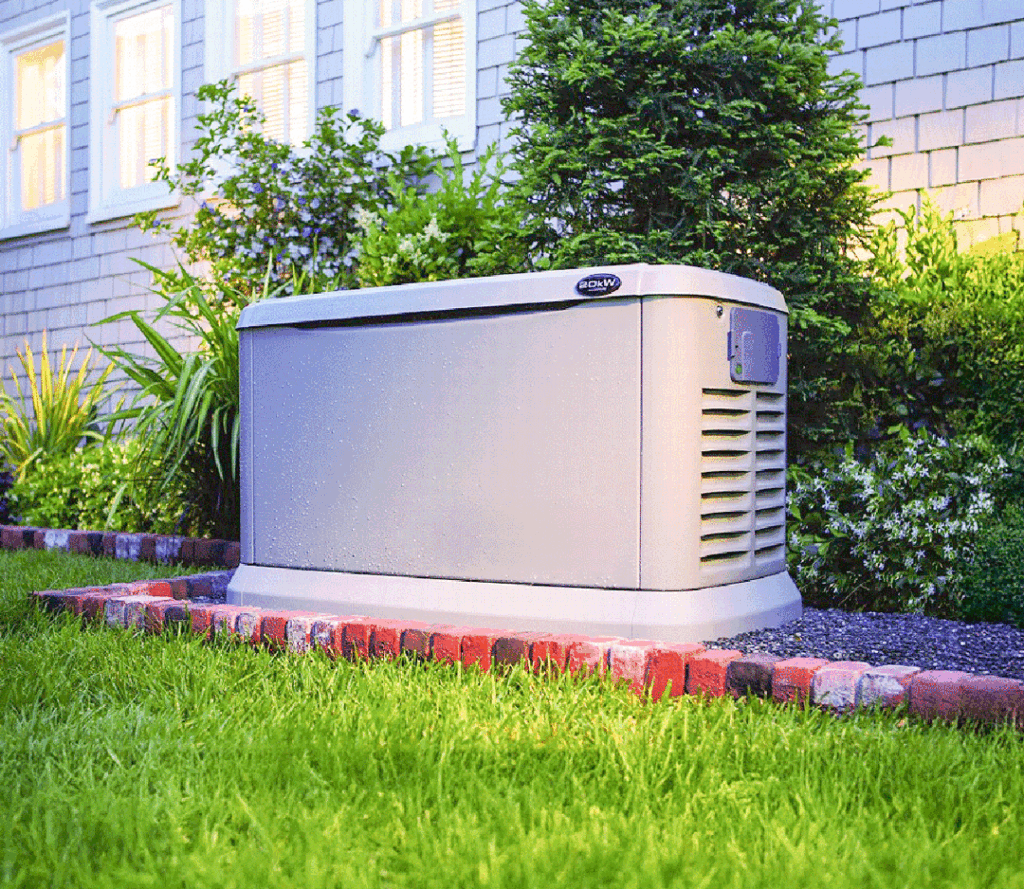
Standby Propane Generators
Standby generators are permanently installed outside homes or businesses.
When utility power fails, they automatically start and restore electricity within seconds.
Benefits include:
- Automatic operation
- Whole-home backup
- Higher power capacity
- Continuous operation
Many homeowners consider standby Propane Generators the ultimate emergency power solution.
Inverter Propane Generators
Inverter technology produces clean, stable electricity.
These models are ideal for powering:
- Computers
- Smartphones
- Medical devices
- TVs
- Audio equipment
Advantages include:
- Quiet operation
- Fuel efficiency
- Lightweight construction
- Safe power for sensitive electronics
Dual Fuel Propane Generators
Dual-fuel generators operate on either gasoline or propane.
Benefits include:
- Increased flexibility
- Extended runtime
- Greater fuel availability
- Improved emergency preparedness
Tri-Fuel Generators
Some advanced models operate using:
- Propane
- Gasoline
- Natural gas
These provide maximum versatility for commercial and residential users.
Benefits of Propane Generators
The popularity of Propane Generators continues to grow because they provide dependable electricity across countless applications.
Home Backup Power
Power outages can interrupt heating, cooling, refrigeration, lighting, internet access, and medical equipment.
A propane generator helps keep essential systems operating until utility service is restored.
Commercial Facilities
Businesses rely on Propane Generators to protect:
- Inventory
- Computer systems
- Security equipment
- Customer service operations
Reliable backup power helps minimize financial losses during outages.
Construction Sites
Contractors use propane generators to operate:
- Power tools
- Lighting
- Compressors
- Jobsite trailers
- Pumps
Portable generators eliminate the need for permanent electrical connections.
Farms and Agriculture
Agricultural operations frequently depend on Propane Generators for:
- Irrigation pumps
- Livestock facilities
- Feed systems
- Barn lighting
- Water supply
RV and Camping
Campers appreciate propane because it burns cleaner and stores longer than gasoline.
Many RV owners choose Propane Generators for quiet, dependable portable power.
Outdoor Events
Food trucks, festivals, concerts, and mobile vendors require reliable electricity for:
- Cooking equipment
- Lighting
- Point-of-sale systems
- Refrigeration
- Audio systems
Choosing the Right Propane Generator
Selecting the ideal generator depends on your power requirements.
Determine Your Wattage Needs
Calculate the running wattage of all appliances you intend to operate simultaneously.
Remember to include:
- Running watts
- Starting watts
- Future expansion
Choosing a generator with additional capacity helps prevent overload.
Fuel Tank Size
Larger propane tanks provide:
- Longer runtime
- Reduced refueling
- Greater convenience during extended outages
Noise Level
Modern inverter Propane Generators often operate much quieter than traditional models.
Lower noise levels are especially important for:
- Residential neighborhoods
- Campgrounds
- Outdoor events
Runtime
Long runtime improves productivity and convenience.
Many propane generators can operate continuously for several hours depending on load and tank size.
Starting Method
Available options include:
- Recoil start
- Electric start
- Remote start
- Automatic transfer switch
Electric and automatic starting systems provide greater convenience.
Important Features to Look For
Today’s Propane Generators offer numerous features that improve reliability and safety.
Look for:
- Automatic low-oil shutdown
- Carbon monoxide detection
- Electric start
- Digital display
- Fuel gauge
- Hour meter
- Automatic voltage regulation
- GFCI outlets
- Parallel capability
- Remote monitoring
These features help protect both the generator and connected equipment.
Propane Generator Maintenance
Proper maintenance ensures reliable long-term performance.
Change Engine Oil
Follow the manufacturer’s recommended service intervals.
Fresh oil reduces wear and extends engine life.
Inspect Air Filters
Clean air filters improve:
- Fuel efficiency
- Engine performance
- Reliability
Check Spark Plugs
Replace worn spark plugs to ensure easy starting and smooth operation.
Inspect Propane Connections
Regularly inspect:
- Hoses
- Regulators
- Fittings
Look for signs of wear or leakage.
Test the Generator
Operate the generator monthly to ensure it starts easily and functions properly during emergencies.
Propane Generator Safety Tips
Safe operation should always be a priority.
Never Operate Indoors
Even though propane burns cleaner than gasoline, Propane Generators still produce carbon monoxide.
Always operate generators outdoors in well-ventilated locations.
Store Propane Safely
Keep propane tanks:
- Upright
- Outdoors
- Away from ignition sources
- Protected from excessive heat
Refuel Carefully
Never disconnect propane tanks while the generator is operating.
Inspect all fittings before restarting.
Use Proper Extension Cords
Only use heavy-duty outdoor-rated extension cords sized appropriately for your electrical load.
Install Carbon Monoxide Detectors
Every home using backup generators should have working carbon monoxide detectors.
Propane vs Gasoline vs Diesel Generators
Understanding fuel differences helps buyers make informed decisions.
Propane Generators
Advantages:
- Long fuel shelf life
- Cleaner emissions
- Lower maintenance
- Reliable cold-weather performance
- Cleaner engine operation
Disadvantages:
- Slightly lower fuel energy density
- Requires propane storage
Gasoline Generators
Advantages:
- Lower purchase cost
- Easy fuel availability
- Portable
Disadvantages:
- Fuel deteriorates over time
- Higher maintenance
- Greater emissions
Diesel Generators
Advantages:
- Outstanding durability
- Better fuel efficiency
- Longer engine life
- Ideal for continuous commercial use
Disadvantages:
- Higher purchase price
- Louder operation
- Heavier construction
Each fuel type serves different applications, but Propane Generators continue gaining popularity because they balance reliability, clean operation, and long-term convenience.
Latest Innovations in Propane Generators (2025–2026)
Technology continues improving the performance of Propane Generators.
Recent innovations include:
- Bluetooth monitoring
- Smartphone apps
- Electronic fuel injection
- Automatic idle control
- Improved emissions systems
- Parallel operation capability
- Digital inverter technology
- Remote diagnostics
These advancements help improve efficiency while reducing operating costs.
Frequently Asked Questions
Are propane generators better than gasoline generators?
For many users, yes. Propane offers cleaner combustion, longer fuel storage life, and reduced maintenance.
Can propane generators power an entire house?
Yes. Properly sized standby generators can supply electricity to an entire home through an automatic transfer switch.
How long can propane be stored?
Unlike gasoline, propane can remain usable indefinitely when stored correctly.
Do propane generators require less maintenance?
Generally, yes. Cleaner combustion results in fewer engine deposits and reduced maintenance requirements.
Are propane generators safe?
Yes, provided they are installed and operated according to manufacturer guidelines and all carbon monoxide safety recommendations are followed.
Final Thoughts
As homeowners, contractors, businesses, and emergency preparedness professionals continue searching for dependable backup power, Propane Generators remain one of the smartest investments available. Their clean-burning fuel, long shelf life, low maintenance requirements, and dependable performance make them ideal for both everyday use and emergency situations.
Whether you’re protecting your home during severe weather, powering equipment on a construction site, supporting agricultural operations, or enjoying outdoor adventures, Propane Generators provide reliable electricity when it matters most. Modern models offer advanced technology, quieter operation, improved fuel efficiency, and enhanced safety features that make them more practical than ever before.
By choosing the right generator size, following routine maintenance, and practicing safe operation, you can enjoy years of dependable service and peace of mind. With a quality propane generator, you’ll always have access to clean, reliable power—no matter where life takes you or when the next outage occurs.