
Backup Generators: The Ultimate Guide to Reliable Home & Commercial Backup Power (2026–2027)
Electricity powers nearly every aspect of modern life. From lighting and heating to internet connectivity, medical devices, refrigeration, manufacturing equipment, and security systems, dependable electricity has become essential for homes and businesses alike. Unfortunately, severe weather, aging electrical infrastructure, natural disasters, and unexpected equipment failures continue to cause power outages that can last from a few minutes to several days. That’s why Backup Generators have become one of the smartest investments for homeowners, business owners, contractors, healthcare facilities, and emergency preparedness professionals.
Modern Backup Generators provide reliable electricity whenever the utility grid fails, ensuring that critical appliances and equipment continue operating without interruption. Whether you need to keep your family safe during a storm, maintain business operations, protect valuable inventory, or power an entire construction site, the right backup generator offers peace of mind and dependable performance when it matters most.
Today’s Backup Generators are more advanced than ever before. Many feature automatic transfer switches, remote monitoring, smartphone connectivity, quiet operation, fuel-efficient engines, inverter technology, and intelligent digital control systems that make backup power easier and more reliable than ever.
Whether you’re considering your first backup generator or upgrading an existing system, this comprehensive guide explains everything you need to know about Backup Generators, including their benefits, available types, applications, maintenance, and how to choose the best model for your needs.
Why Choose Backup Generators?
Power outages are becoming more common across many regions due to aging infrastructure, increasing energy demand, and extreme weather conditions. A quality backup generator helps ensure that your daily life or business operations continue with minimal disruption.
Some of the biggest reasons people invest in Backup Generators include:
- Continuous electricity during outages
- Protection for essential appliances
- Increased home safety
- Business continuity
- Protection of refrigerated food and medicine
- Reliable emergency preparedness
- Reduced financial losses
- Increased property value
For businesses, downtime often means lost revenue. For homeowners, it can mean spoiled food, frozen pipes, or loss of heating and cooling. Backup Generators provide an effective solution by delivering dependable power whenever the electrical grid becomes unavailable.
How Backup Generators Work
Although various models differ in size and technology, most Backup Generators operate using the same basic principle.
The engine converts fuel into mechanical energy, which rotates an alternator. The alternator then converts that mechanical energy into electrical power that can be used to operate appliances, equipment, or an entire building.
Most systems include:
Engine
The engine supplies mechanical power using gasoline, diesel, propane, or natural gas.
Alternator
The alternator converts mechanical energy into electrical energy suitable for residential or commercial use.
Fuel System
Depending on the model, the generator may operate using:
- Gasoline
- Diesel
- Propane
- Natural gas
- Dual fuel systems
Voltage Regulator
This component maintains stable voltage output to protect sensitive electronics from damaging fluctuations.
Control Panel
Modern Backup Generators feature digital displays showing:
- Voltage
- Frequency
- Engine hours
- Fuel level
- Maintenance reminders
- Fault codes
Automatic Transfer Switch
Many standby generators include an automatic transfer switch that detects utility outages, starts the generator automatically, and transfers electrical loads without user intervention.
Types of Backup Generators
Understanding the different types of Backup Generators is the first step toward selecting the right system.
Portable Backup Generators
Portable generators remain one of the most popular choices for temporary power needs.
They are commonly used for:
- Emergency home backup
- Construction projects
- Outdoor events
- Recreational activities
- Small businesses
Portable Backup Generators are affordable, versatile, and easy to transport.
Standby Backup Generators
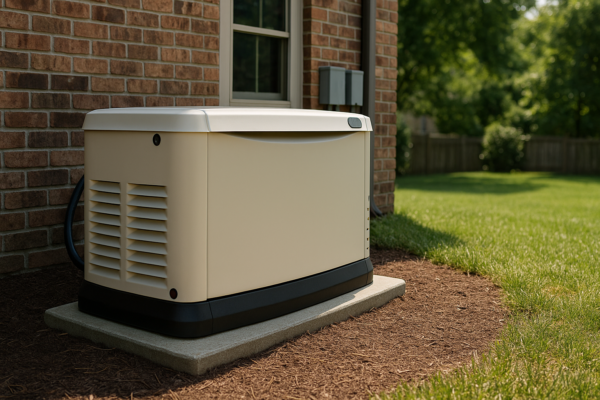
Standby generators are permanently installed outside homes or commercial buildings.
These systems automatically:
- Detect utility outages
- Start within seconds
- Restore power automatically
- Shut down when utility service returns
Standby Backup Generators provide unmatched convenience because homeowners never need to manually start the system during emergencies.
Inverter Backup Generators
Inverter generators are designed for clean, stable electrical output.
They are ideal for powering:
- Computers
- Televisions
- Medical equipment
- Smartphones
- Gaming systems
- Sensitive electronics
Inverter Backup Generators also operate much quieter than conventional models while consuming less fuel.
Commercial Backup Generators
Commercial systems are engineered for larger electrical loads and continuous operation.
Applications include:
- Hospitals
- Office buildings
- Warehouses
- Manufacturing facilities
- Schools
- Hotels
- Shopping centers
Commercial Backup Generators often include advanced monitoring systems, remote diagnostics, and automatic load management.
Benefits of Backup Generators
The popularity of Backup Generators continues to grow because they provide dependable power across countless industries and applications.
Home Protection
A backup generator can keep essential household systems operating during power outages.
These include:
- Refrigerators
- Freezers
- Heating systems
- Air conditioning
- Water pumps
- Lighting
- Internet routers
- Security systems
For many families, Backup Generators provide valuable peace of mind during severe weather.
Business Continuity
Businesses cannot afford prolonged power interruptions.
Backup generators help maintain:
- Customer service
- Computer networks
- Payment systems
- Refrigeration
- Inventory protection
- Manufacturing equipment
Reliable backup power minimizes financial losses while protecting employees and customers.
Healthcare Facilities
Hospitals and clinics rely heavily on Backup Generators because uninterrupted electricity is essential for patient safety.
Critical equipment includes:
- Life-support systems
- Medical imaging equipment
- Emergency lighting
- Laboratory equipment
- Vaccine refrigeration
- Operating rooms
Standby generators ensure these systems remain operational during utility outages.
Construction Sites
Construction professionals frequently use portable Backup Generators to operate:
- Circular saws
- Welders
- Compressors
- Concrete mixers
- Tower lights
- Electric drills
Generators eliminate the need for permanent electrical service on temporary job sites.
Agricultural Operations
Farmers depend on backup power for:
- Irrigation pumps
- Livestock facilities
- Barn ventilation
- Grain handling systems
- Water supply
- Cold storage
Reliable electricity protects valuable crops and livestock during emergencies.
Choosing the Right Backup Generator
Choosing the right Backup Generators depends on your specific power requirements and intended applications.
Calculate Your Power Requirements
Start by determining how much electricity you’ll need.
Consider:
- Running watts
- Starting watts
- Future expansion
- Simultaneous electrical loads
Purchasing a generator with additional capacity helps avoid overload while providing room for future needs.
Select the Right Fuel Type
Different fuel options offer different advantages.
Gasoline
- Lower initial cost
- Easy fuel availability
- Excellent portability
Diesel
- Superior fuel economy
- Long engine life
- Commercial applications
Propane
- Clean burning
- Long fuel storage life
- Lower maintenance
Natural Gas
- Unlimited fuel supply
- Automatic operation
- Ideal for permanent installations
Many modern Backup Generators are also available as dual-fuel models that provide additional flexibility.
Important Features to Look For
Modern Backup Generators offer far more than simple emergency electricity. Advances in generator technology have improved efficiency, convenience, safety, and reliability, making today’s models better equipped to meet the needs of homeowners and businesses.
When comparing Backup Generators, consider the following features:
Automatic Transfer Switch (ATS)
One of the most valuable features available is an Automatic Transfer Switch.
This system automatically:
- Detects utility power failures
- Starts the generator
- Transfers electrical loads
- Returns power to the utility once service is restored
For homeowners and businesses seeking uninterrupted power, an ATS provides maximum convenience.
Electric Start
Electric start systems eliminate the need for pull cords and allow users to start the generator quickly with the push of a button.
Many premium Backup Generators also include remote-start functionality.
Automatic Voltage Regulation (AVR)
Voltage fluctuations can damage expensive electronics.
Automatic Voltage Regulation helps provide:
- Stable voltage
- Better equipment protection
- Improved motor starting
- Consistent electrical performance
Low Oil Shutdown
This safety feature automatically shuts the engine down if oil levels become dangerously low, helping prevent costly engine damage.
Digital Control Panel
Modern Backup Generators feature LCD or LED displays that provide valuable operating information, including:
- Voltage
- Frequency
- Engine hours
- Fuel level
- Maintenance reminders
- Fault diagnostics
Remote Monitoring
Many premium generators now offer Wi-Fi or Bluetooth connectivity, allowing owners to monitor their generator remotely using a smartphone or computer.
This feature is especially useful for commercial facilities and vacation homes.
Quiet Operation
Noise levels have become an important consideration.
Many enclosed Backup Generators operate at significantly lower decibel levels than older models, making them suitable for residential neighborhoods and commercial properties.
Multiple Receptacles
Choose a generator that includes outlets compatible with your equipment, such as:
- Standard household outlets
- Twist-lock receptacles
- RV outlets
- Commercial connectors
Backup Generator Maintenance
Routine maintenance is essential for maximizing the lifespan and reliability of Backup Generators. A well-maintained generator is far more likely to perform when you need it most.
Change Engine Oil
Fresh engine oil reduces wear, improves efficiency, and extends engine life.
Always follow the manufacturer’s recommended service intervals.
Replace Air Filters
Clean air filters improve:
- Engine performance
- Fuel economy
- Reliability
- Overall efficiency
Dirty filters restrict airflow and reduce generator performance.
Inspect Fuel System
Regularly inspect:
- Fuel lines
- Fuel filters
- Connections
- Fuel tanks
Replace damaged components immediately.
Check Battery Condition
Standby generators rely on batteries for automatic starting.
Inspect:
- Battery voltage
- Terminal corrosion
- Charging system
A weak battery is one of the most common causes of startup failure.
Exercise the Generator
Most standby Backup Generators automatically perform weekly exercise cycles.
These routine test runs:
- Lubricate internal engine components
- Recharge batteries
- Verify proper operation
- Prevent fuel system problems
Portable generators should also be started periodically throughout the year.
Schedule Professional Service
Annual inspections performed by qualified technicians help identify potential issues before they become expensive repairs.
Professional maintenance also ensures your generator remains compliant with warranty requirements.
Backup Generator Safety Tips
Although Backup Generators are extremely reliable, proper operation is essential for safety.
Never Operate Indoors
Generators produce carbon monoxide, an odorless and deadly gas.
Always operate generators:
- Outdoors
- Away from doors
- Away from windows
- Away from vents
Install Carbon Monoxide Detectors
Every home with a backup generator should have working carbon monoxide detectors installed on each level.
Refuel Carefully
Never refuel a generator while it is running or still hot.
Allow sufficient cooling time before adding fuel.
Use Proper Extension Cords
Use only heavy-duty extension cords rated for outdoor use and appropriate electrical loads.
Damaged or undersized cords create fire hazards.
Protect from Weather
Generators should remain dry during operation.
Use approved weather covers designed specifically for generator use while maintaining adequate ventilation.
Use a Transfer Switch
Never connect a portable generator directly to household wiring without a properly installed transfer switch.
Improper connections can endanger utility workers and damage electrical equipment.
Backup Generators vs Portable Generators vs Standby Generators
Understanding the differences helps buyers choose the right solution.
Portable Backup Generators
Best for:
- Temporary power
- Construction sites
- Camping
- Outdoor events
- Emergency home backup
Advantages:
- Lower purchase cost
- Easy transportation
- Flexible operation
Disadvantages:
- Manual startup
- Manual refueling
- Lower power capacity
Standby Backup Generators
Best for:
- Whole-home backup
- Businesses
- Healthcare facilities
- Permanent installations
Advantages:
- Automatic operation
- Higher power output
- Continuous fuel supply (natural gas or propane)
- Greater convenience
Disadvantages:
- Higher installation cost
- Professional installation required
Inverter Backup Generators
Best for:
- Sensitive electronics
- RVs
- Campers
- Outdoor recreation
Advantages:
- Quiet operation
- Excellent fuel efficiency
- Stable electrical output
Disadvantages:
- Lower power output compared to large standby systems
Each category of Backup Generators serves different applications, so choosing the right model depends on your specific power needs and budget.
Latest Innovations in Backup Generators (2025–2026)
Technology continues transforming the generator industry.
Modern Backup Generators now feature:
- Smartphone monitoring
- Wi-Fi connectivity
- Bluetooth diagnostics
- Automatic software updates
- Remote maintenance alerts
- Carbon monoxide shutdown systems
- Electronic fuel injection
- Improved sound insulation
- Smart load management
- Parallel operation capability
These innovations provide greater efficiency, improved reliability, and easier maintenance than ever before.
Frequently Asked Questions
How long do backup generators last?
With proper maintenance, quality Backup Generators can operate reliably for 15 to 30 years depending on usage, fuel type, and maintenance schedules.
Can a backup generator power an entire house?
Yes.
Whole-house standby generators are specifically designed to supply electricity for an entire home’s essential systems and appliances.
What size backup generator do I need?
Generator size depends on the total running and starting wattage of the equipment you want to power.
Professional load calculations help determine the correct generator capacity.
Are backup generators worth the investment?
Absolutely.
They protect your family, home, business, equipment, and valuable inventory from the financial and operational consequences of power outages.
Which fuel type is best?
Each fuel offers advantages:
- Gasoline — affordable and portable
- Diesel — durable and fuel efficient
- Propane — clean burning with long storage life
- Natural Gas — unlimited fuel supply and automatic operation
Choose the option that best fits your application and available fuel sources.
Final Thoughts
As weather patterns become increasingly unpredictable and electrical demand continues to grow, investing in dependable Backup Generators has never been more important. Whether you’re protecting your family during severe storms, ensuring business continuity during unexpected outages, or providing reliable electricity for construction sites and remote operations, a backup generator offers security, convenience, and peace of mind.
Modern Backup Generators are more efficient, quieter, and technologically advanced than ever before. Features such as automatic transfer switches, remote monitoring, digital controls, inverter technology, and fuel-efficient engines make today’s generators capable of delivering dependable performance for virtually any residential or commercial application.
By carefully evaluating your power requirements, selecting the appropriate generator type, following routine maintenance, and practicing proper safety procedures, you can enjoy years of reliable backup power whenever it’s needed. Whether you choose a portable model for occasional use or a permanently installed standby system for whole-home protection, a quality backup generator is an investment that continues to provide value long after installation.
When the unexpected happens, reliable electricity can make all the difference. Choosing one of today’s advanced Backup Generators ensures that your home, business, or job site remains powered, productive, and protected—no matter what challenges come your way.