
Generator Batteries: 10 Essential Tips for Ultimate Performance and Long-Lasting Power
In an increasingly interconnected world, reliable power is not just a convenience; it’s a necessity. From safeguarding critical data to keeping homes comfortable during outages, generators play a pivotal role. Yet, often overlooked is the unsung hero that enables these powerful machines to spring to life: the generator battery. This seemingly small component is foundational to the entire operation, acting as the spark that ignites the engine and ensures your generator is ready when you need it most. Understanding the intricacies of generator batteries, their types, maintenance requirements, and selection criteria is crucial for anyone relying on backup power.
Whether you’re a homeowner preparing for unexpected blackouts, a business owner safeguarding operations, or a facility manager ensuring continuous service, a deep dive into the world of generator batteries will empower you to make informed decisions and maintain peak generator performance. This guide will illuminate the vital role these batteries play, helping you navigate the options and best practices for their care.
The Indispensable Role of a Generator Battery
At its core, a generator battery serves one primary, critical function: to provide the initial surge of electrical current required to crank the generator’s engine. Without this initial burst of power, even the most robust generator remains a dormant piece of machinery. Unlike the batteries in your car, which are constantly recharged by the alternator during operation, generator batteries often sit idle for extended periods, only to be called upon during an emergency. This unique operational profile presents distinct challenges and considerations.
The battery’s ability to deliver a high current for a short duration is paramount. This is measured in Cold Cranking Amps (CCA) or Marine Cranking Amps (MCA), which indicate the battery’s ability to start an engine in cold temperatures. A higher CCA rating signifies greater starting power, which is particularly important for larger generators or those operating in colder climates.
Furthermore, the battery acts as a critical component in the generator’s control system, often powering the internal electronics and diagnostic systems even when the engine is not running. This ensures that the generator’s monitoring and self-testing features remain active, providing early warnings of potential issues and ensuring operational readiness. The health of the generator battery directly impacts the generator’s reliability and its ability to perform its intended function during a power outage.
Types of Generator Batteries: A Closer Look
The market offers several types of batteries, each with its own characteristics, advantages, and ideal applications. Understanding these differences is key to selecting the right battery for your specific generator and operational needs.
Lead-Acid Batteries: The Workhorse
Lead-acid batteries are the most common and traditional choice for generators due to their proven reliability and cost-effectiveness. They come in several variations:
- Flooded Lead-Acid (Wet Cell) Batteries: These are the most basic type, requiring regular maintenance, specifically checking and topping off electrolyte levels with distilled water. They are robust and can handle deep discharges, but their open design means they can vent gases and are not spill-proof. They typically offer a good balance of cost and performance.
- Sealed Lead-Acid (SLA) Batteries: Also known as Maintenance-Free Lead-Acid, these batteries are sealed, meaning they do not require electrolyte top-offs. They use a recombination process to prevent gas escape. While more convenient, they are generally less tolerant to overcharging and can be more sensitive to temperature fluctuations than flooded types.
- Absorbed Glass Mat (AGM) Batteries: A type of SLA battery, AGM batteries feature fiberglass mats that absorb the electrolyte, holding it in place. This design makes them spill-proof, vibration-resistant, and capable of handling deeper discharges and faster recharging than traditional flooded batteries. They also perform well in colder temperatures and have a lower self-discharge rate. Their premium performance often comes with a higher price tag.
- Gel Cell Batteries: Another SLA variant, gel cell batteries use a silica gel to suspend the electrolyte. They are extremely durable, vibration-resistant, and excellent for deep-cycle applications. They are also spill-proof and can operate in a wider temperature range. However, they are more susceptible to damage from overcharging and have a lower peak power output compared to AGM or flooded batteries.
Lithium-Ion Batteries: The Modern Alternative
While still less common for generator starting applications due to their higher initial cost, lithium-ion batteries are gaining traction, particularly for smaller, portable generators or for powering the control systems of larger units. Their advantages include:
- Higher Energy Density: They are lighter and more compact for the same power output.
- Longer Cycle Life: Lithium-ion batteries can withstand significantly more charge/discharge cycles than lead-acid batteries.
- Faster Charging: They can be charged much more quickly.
- Lower Self-Discharge Rate: They hold a charge for longer periods when not in use.
However, their sensitivity to extreme temperatures and the need for sophisticated Battery Management Systems (BMS) to prevent overcharging or deep discharging are factors to consider. As technology advances and costs decrease, lithium-ion batteries may become a more prevalent option for generator applications.
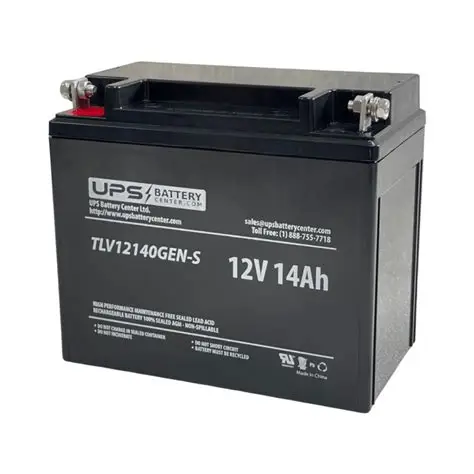
Choosing the Right Generator Battery
Selecting the appropriate generator battery involves considering several key factors to ensure optimal performance and longevity. It’s not a one-size-fits-all decision, and matching the battery to your generator’s specifications and usage patterns is crucial.
Generator Specifications
- Voltage: Most generators use 12-volt batteries, but some larger industrial units may require 24-volt systems (often two 12V batteries in series). Always match the battery voltage to your generator’s requirements.
- Cold Cranking Amps (CCA) / Marine Cranking Amps (MCA): This is perhaps the most critical specification for a starting battery. The generator manufacturer will specify a minimum CCA/MCA rating required to reliably start the engine, especially in cold conditions. Always meet or exceed this minimum rating.
- Reserve Capacity (RC): While less critical for starting batteries, RC indicates how long a battery can deliver a certain amperage (typically 25 amps) before its voltage drops below a usable level. A higher RC can be beneficial for powering auxiliary systems if the generator fails to start immediately.
- Physical Size and Terminal Location: Batteries come in various group sizes, each with specific dimensions and terminal configurations. Ensure the new battery fits securely in the battery tray and that the terminals align correctly with the generator’s cables.
Generator Usage and Environment
- Frequency of Use: For generators that are frequently started and stopped (e.g., in some commercial applications), a battery with good deep-cycle capabilities (like AGM or Gel) might be beneficial, even though it’s primarily a starting battery. For standby generators that sit idle for long periods, a battery with a low self-discharge rate is important.
- Climate: If your generator operates in consistently cold environments, a battery with a higher CCA rating and good cold-weather performance (like AGM) is essential. Extreme heat can also shorten battery life, so proper ventilation and temperature management are important.
- Maintenance Capability: If you are diligent about checking and topping off electrolyte levels, a flooded lead-acid battery can be a cost-effective choice. If convenience and minimal maintenance are priorities, then sealed lead-acid (SLA), AGM, or Gel batteries are preferable.
Budget Considerations
While it might be tempting to opt for the cheapest option, investing in a quality battery can save you significant trouble and expense down the line. A reliable battery ensures your generator is always ready, preventing costly downtime or discomfort during outages. Consider the long-term value, including expected lifespan and performance under various conditions, rather than just the upfront cost.
Essential Generator Battery Maintenance
Proper maintenance is paramount to extending the life and ensuring the reliability of your generator battery. Neglecting battery care is a common cause of generator starting failures. A few simple steps can make a significant difference. Generator Batteries
Regular Inspections
- Visual Check: Periodically inspect the battery for any signs of damage, cracks, leaks, or swelling. Look for corrosion on the terminals, which appears as a white or bluish powdery substance.
- Terminal Cleanliness: Keep battery terminals clean and free of corrosion. Use a wire brush and a solution of baking soda and water to clean corroded terminals. Apply a thin layer of dielectric grease or an anti-corrosion spray after cleaning to prevent future buildup.
- Cable Integrity: Ensure battery cables are securely connected and free from fraying or damage. Loose connections can lead to poor performance and even arcing.
- Battery Tray: Check that the battery is securely fastened in its tray to prevent vibration damage during generator operation or transport. Generator Batteries5
Electrolyte Level (for Flooded Batteries)
For flooded lead-acid batteries, regularly check the electrolyte level. It should be above the plates. If low, top off with distilled water only. Never use tap water, as minerals can contaminate the battery and impair performance. This check should be part of your routine generator maintenance schedule. Generator Batteries
Battery Charging and Testing
- Trickle Charger/Maintainer: Since generator batteries often sit idle, they can slowly self-discharge. Using a smart trickle charger or battery maintainer specifically designed for your battery type (lead-acid or lithium-ion) is highly recommended. These devices keep the battery at an optimal charge level without overcharging. Generator Batteries
- Voltage Test: Periodically check the battery voltage with a multimeter. A fully charged 12V lead-acid battery should read around 12.6 to 12.8 volts. A reading below 12.4 volts indicates a need for charging. Generator Batteries
- Load Test: For a more accurate assessment of battery health, perform a load test. This simulates the starting load on the battery and measures its ability to maintain voltage. Many auto parts stores offer this service, or you can purchase a dedicated load tester.
- Specific Gravity Test (for Flooded Batteries): A hydrometer can be used to measure the specific gravity of the electrolyte in each cell of a flooded battery. This provides a good indication of the battery’s state of charge and overall health. Generator Batteries
Environmental Considerations
Temperature extremes can significantly impact battery life and performance. Store and operate your generator in a location where the battery is protected from excessive heat and cold. Extremely cold temperatures reduce a battery’s cranking power, while high temperatures accelerate degradation.
Common Generator Battery Problems and Troubleshooting
Even with diligent maintenance, generator batteries can encounter issues. Knowing how to diagnose and address common problems can save time and ensure your generator is operational when needed.
Generator Won’t Start (Clicking Sound)
This is a classic sign of a weak or discharged battery. The clicking sound often comes from the starter solenoid attempting to engage but not receiving enough power from the battery to fully turn the engine over.
- Troubleshooting:
- Check battery terminals for corrosion and tightness.
- Test battery voltage. If low, attempt to charge it with a suitable charger.
- If the battery charges but still won’t start the generator, a load test is needed to determine if the battery can hold a charge under demand.
- Consider jump-starting if safe and appropriate for your generator type (consult your generator manual). Generator Batteries
Slow Cranking
The engine turns over but very slowly, struggling to reach ignition speed.
- Troubleshooting:
- Similar to the above, this points to a partially discharged or weakened battery.
- Check connections and charge the battery.
- If the battery is old, its internal resistance may have increased, reducing its ability to deliver high current, even if voltage readings appear acceptable. A load test will confirm this.
Battery Goes Dead Quickly
The battery seems to lose its charge rapidly, even after being fully charged.
- Troubleshooting:
- Parasitic Draw: Something in the generator’s electrical system might be continuously drawing power, even when the generator is off. This could be a faulty component, a wiring issue, or a control board problem. A qualified technician can perform a parasitic draw test.
- Faulty Charging System: The generator’s built-in charging system (if equipped) might not be working correctly, failing to recharge the battery during exercise cycles.
- Aging Battery: Batteries have a finite lifespan. As they age, their capacity diminishes, and they can no longer hold a charge effectively. Generator Batteries
Corrosion on Terminals
White or blue powdery buildup on the battery terminals.
- Troubleshooting:
- This is often caused by hydrogen gas escaping from the battery (especially flooded types) reacting with the metal terminals.
- Clean the corrosion thoroughly using a wire brush and a baking soda/water paste.
- Apply anti-corrosion spray or dielectric grease to prevent recurrence.
- Ensure the battery is not overcharged, as this can exacerbate gassing. Generator Batteries
Battery Swelling or Leaking
These are serious issues and indicate a severely damaged battery.
- Troubleshooting:
- Swelling: Often a sign of overcharging, internal short circuits, or extreme heat. This can be dangerous as it may lead to a rupture.
- Leaking: Indicates a damaged casing or severe overcharging, releasing corrosive electrolyte.
- Action: Immediately and safely disconnect the battery and replace it. Do not attempt to charge or use a swollen or leaking battery. Dispose of it properly according to local regulations.
Extending Generator Battery Life
While batteries inevitably degrade over time, several practices can significantly extend their useful life and ensure they remain reliable for longer. Generator Batteries
Temperature Management
Keep the battery within its optimal operating temperature range. Avoid exposing it to extreme heat or cold. If your generator is in an unheated shed in a cold climate, consider a battery warmer if available, or ensure the battery is fully charged before cold snaps, as a charged battery is less likely to freeze.
Consistent Charging
Prevent deep discharges, which are particularly damaging to starting batteries. Use a smart battery maintainer to keep the battery topped off, especially for standby generators that aren’t run frequently. Regular exercise of the generator (as recommended by the manufacturer) also helps keep the battery charged if the generator has a built-in charging system. Generator Batteries
Avoid Overcharging
While undercharging is detrimental, overcharging can be equally harmful, leading to gassing, electrolyte loss (in flooded batteries), and internal damage. Use chargers with automatic shut-off or float modes to prevent overcharging. Generator Batteries
Cleanliness and Connection Integrity
Regularly cleaning terminals and ensuring tight, corrosion-free connections minimizes resistance, allowing the battery to deliver its full power and receive a proper charge. Loose or corroded connections are a major source of power loss and charging inefficiency. Generator Batteries
Proper Storage (if applicable)
If you need to store a generator battery for an extended period, ensure it is fully charged, disconnected from any loads, and stored in a cool, dry place. Periodically check its voltage and top it off if necessary. For flooded batteries, ensure electrolyte levels are correct before storage.
Adherence to Manufacturer Recommendations
Always consult your generator’s owner’s manual for specific battery recommendations, maintenance schedules, and charging procedures. Manufacturers provide guidelines tailored to their equipment, which are crucial for optimal performance and safety. Generator Batteries
The Future of Generator Batteries
The landscape of energy storage is constantly evolving, and generator batteries are no exception. While lead-acid technologies continue to dominate due to their cost-effectiveness and proven track record, advancements are reshaping the industry. Generator Batteries
Lithium-Ion Dominance
As lithium-ion battery technology becomes more affordable and robust, its application in generators is likely to expand beyond portable units. Their lighter weight, longer lifespan, higher energy density, and faster charging capabilities make them an attractive option for both starting and potentially even replacing traditional fuel tanks in some applications. Generator Batteries
Smart Battery Technology
Integration of smart features, such as built-in Battery Management Systems (BMS) with advanced diagnostics, remote monitoring, and predictive maintenance capabilities, will become more common. These systems can optimize charging cycles, balance cell voltages, and provide early warnings of potential failures, significantly enhancing reliability. Generator Batteries
Environmental Considerations
There’s a growing emphasis on more sustainable and recyclable battery technologies. Research into solid-state batteries, flow batteries, and other next-generation chemistries aims to reduce environmental impact, improve safety, and further enhance performance. Generator Batteries
Hybrid and Integrated Systems
The future may see more integrated power solutions where generators work in tandem with advanced battery energy storage systems (BESS). These hybrid systems can optimize fuel consumption, provide instantaneous power, and reduce wear and tear on the generator, with the battery playing a central role in energy buffering and system stability. Generator Batteries
The generator battery, though often out of sight, is truly the heart of your generator’s starting system. Its health and proper functioning are non-negotiable for reliable power. By understanding the different types of batteries, making an informed selection, and committing to a routine of preventative maintenance, you empower your generator to perform flawlessly when it matters most. Investing a little time and effort into your generator’s battery today can prevent significant headaches and ensure peace of mind during future power interruptions. Stay powered, stay prepared. Generator Batteries