
Whole House Generators: The Ultimate Guide to Reliable Home Backup Power (2025–2026)
Power outages have become increasingly common due to severe weather, aging electrical infrastructure, natural disasters, and growing demand on power grids. While a brief outage may seem like a minor inconvenience, extended blackouts can quickly disrupt daily life by affecting heating and cooling systems, refrigeration, internet access, security systems, medical equipment, and essential household appliances. This is why Whole House Generators have become one of the most valuable investments homeowners can make.
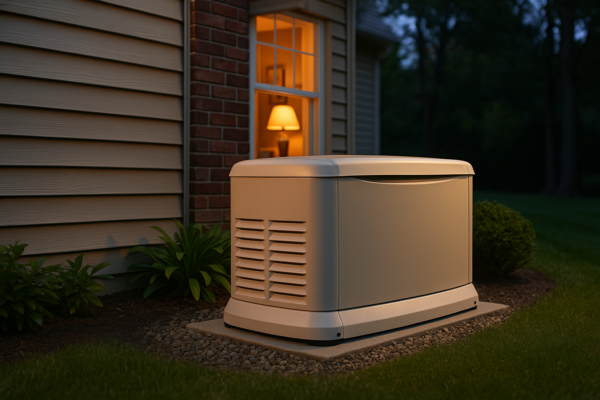
Unlike portable generators that require manual setup and limited power distribution, Whole House Generators are permanently installed outside your home and automatically restore electricity within seconds of a utility outage. Connected directly to your home’s electrical system through an automatic transfer switch, these generators provide seamless backup power without requiring any manual intervention.
Modern Whole House Generators are more advanced than ever before. They feature automatic operation, remote monitoring, quiet performance, improved fuel efficiency, weather-resistant enclosures, and smart digital controllers that continuously monitor your home’s electrical system. Whether you’re protecting your family during a storm, preserving food during a prolonged outage, or ensuring medical equipment remains operational, a standby generator delivers dependable backup power exactly when you need it.
This comprehensive guide explains everything you need to know about Whole House Generators, including their benefits, available fuel options, installation considerations, maintenance requirements, safety tips, and how to choose the ideal system for your home.
Why Choose Whole House Generators?
Reliable electricity has become essential for modern living. From working remotely and attending online classes to powering home security systems and medical equipment, uninterrupted power is more important today than ever before.
The biggest advantage of Whole House Generators is their ability to restore electricity automatically during a power outage. Unlike portable generators that require extension cords, manual startup, and frequent refueling, standby generators begin operating within seconds after utility power is lost.
Some of the key benefits include:
- Automatic power restoration
- Whole-home electrical coverage
- Increased family safety
- Protection of valuable appliances
- Preservation of refrigerated food
- Continued operation of heating and cooling systems
- Protection of medical equipment
- Increased home value
- Greater peace of mind
For homeowners living in areas prone to storms, hurricanes, snowstorms, or unreliable utility service, Whole House Generators provide dependable backup power without the inconvenience associated with portable units.
How Whole House Generators Work
Although modern standby generators include sophisticated electronics and monitoring systems, their basic operation is surprisingly straightforward.
When utility power fails, the Automatic Transfer Switch (ATS) immediately detects the outage. Within seconds, it signals the generator to start automatically. Once the generator reaches proper operating speed, the transfer switch safely disconnects your home from the utility grid and transfers electrical loads to the generator.
When utility service returns, the transfer switch reconnects your home to the electrical grid and safely shuts the generator down.
The primary components include:
Engine
The engine converts fuel into mechanical energy using natural gas, propane, or diesel.
Alternator
The alternator transforms mechanical energy into electrical power capable of supplying your home’s electrical system.
Automatic Transfer Switch (ATS)
The ATS serves as the brain of the system by automatically managing the transition between utility power and generator power.
Fuel System
Most Whole House Generators operate using:
- Natural gas
- Liquid propane (LP)
- Diesel fuel
Each fuel source offers unique advantages depending on your location and energy needs.
Voltage Regulator
This component maintains stable voltage output to protect sensitive electronics and household appliances.
Digital Controller
Modern generators include intelligent digital control systems that display:
- Voltage
- Frequency
- Engine hours
- Maintenance reminders
- Fault diagnostics
- Operating status
These advanced controls make Whole House Generators easier to monitor and maintain than ever before.
Types of Whole House Generators
The primary difference between standby generators is the type of fuel they use.
Understanding these options helps homeowners select the system best suited to their property.
Natural Gas Whole House Generators
Natural gas generators remain one of the most popular choices because they connect directly to an existing municipal gas line.
Advantages include:
- Unlimited fuel supply
- Automatic operation
- No refueling required
- Cleaner emissions
- Lower maintenance
- Excellent long-term reliability
As long as natural gas service remains available, these Whole House Generators can continue operating for extended periods.
Propane Whole House Generators
Homes without natural gas service often choose propane generators.
These systems connect to permanently installed propane tanks located on the property.
Benefits include:
- Clean-burning fuel
- Long fuel shelf life
- Independent fuel supply
- Excellent reliability
- Suitable for rural properties
Tank size determines how long the generator can operate before refueling becomes necessary.
Diesel Whole House Generators
Diesel standby generators are typically selected for larger homes, commercial properties, or locations requiring extended runtime.
Advantages include:
- Outstanding fuel efficiency
- Long engine life
- Heavy-duty performance
- Excellent continuous operation
- Commercial-grade reliability
Diesel systems generally require larger fuel storage tanks and periodic fuel maintenance.
Benefits of Whole House Generators
The popularity of Whole House Generators continues to grow because they provide complete home protection during unexpected outages.
Continuous Comfort
Maintaining heating and cooling systems during extreme weather can be critical.
A standby generator keeps:
- Air conditioning operating during summer
- Heating systems running during winter
- Humidity under control
- Indoor comfort maintained
Families remain safe regardless of outdoor conditions.
Food Preservation
Extended outages often result in spoiled food costing hundreds of dollars.
Whole House Generators keep:
- Refrigerators running
- Freezers operating
- Ice makers functioning
- Food preserved
This alone can offset a significant portion of outage-related losses.
Medical Equipment Protection
Many individuals rely on electrically powered medical equipment such as:
- Oxygen concentrators
- CPAP machines
- Infusion pumps
- Home dialysis equipment
Reliable standby power can literally save lives during prolonged outages.
Home Security
Power outages often disable:
- Security cameras
- Alarm systems
- Smart locks
- Outdoor lighting
- Garage doors
Standby generators ensure these systems continue protecting your property.
Remote Work and Education
More people than ever work and study from home.
Reliable electricity keeps:
- Internet service operating
- Computers running
- Wi-Fi connected
- Home offices productive
A standby generator helps eliminate costly interruptions.
Property Protection
Beyond convenience, Whole House Generators help prevent expensive damage caused by outages.
Generators protect:
- Frozen plumbing
- Flooded basements
- Water pumps
- Sump pumps
- Climate-sensitive equipment
Avoiding a single major repair can often justify the investment.
Choosing the Right Whole House Generator
Selecting the ideal Whole House Generators requires careful planning.
Determine Your Electrical Load
Begin by calculating your home’s electrical requirements.
Consider:
- Running watts
- Starting watts
- Essential appliances
- Whole-home coverage
- Future expansion
A professional electrician can perform a detailed load calculation to determine the appropriate generator size.
Generator Size
Generator capacity is measured in kilowatts (kW).
Smaller homes may require:
- 10–14 kW
Medium homes often require:
- 16–22 kW
Large homes with multiple HVAC systems may require:
- 24–40+ kW
Choosing the proper size ensures dependable performance without unnecessary operating costs.
Fuel Availability
Ask yourself:
- Is natural gas available?
- Can propane tanks be installed?
- Would diesel storage be practical?
Fuel availability plays a major role when selecting Whole House Generators.
Important Features to Look For
Today’s Whole House Generators include advanced technology that makes backup power more dependable, efficient, and user-friendly than ever before. Choosing the right features can improve convenience, reduce maintenance, and ensure your generator performs flawlessly during an emergency.
Automatic Transfer Switch (ATS)
An Automatic Transfer Switch (ATS) is one of the most important components of Whole House Generators. It constantly monitors your home’s electrical supply and automatically responds when utility power is lost.
The ATS will:
- Detect a power outage
- Start the generator automatically
- Disconnect your home from the utility grid
- Transfer electrical loads safely to the generator
- Return your home to utility power once electricity is restored
- Shut the generator down automatically
This seamless process typically takes only a few seconds and requires no manual intervention.
Remote Monitoring
Many premium Whole House Generators now include Wi-Fi or Bluetooth connectivity, allowing homeowners to monitor their generator remotely through a smartphone, tablet, or computer.
Remote monitoring typically includes:
- Generator status
- Operating hours
- Maintenance reminders
- Fuel levels
- Error notifications
- Remote diagnostics
This feature provides peace of mind, especially for vacation homes or rental properties.
Quiet Operation
Modern standby generators are significantly quieter than older models.
Many manufacturers use:
- Sound-insulated enclosures
- Advanced mufflers
- Low-vibration engine mounts
- Precision cooling fans
These improvements allow Whole House Generators to operate quietly without disturbing your family or neighbors.
Automatic Voltage Regulation (AVR)
Stable electrical output is essential for protecting expensive appliances and electronics.
Automatic Voltage Regulation helps maintain consistent voltage for:
- Computers
- Smart TVs
- Refrigerators
- HVAC systems
- Medical devices
- Home entertainment systems
Weather-Resistant Enclosures
Standby generators remain outdoors year-round.
Quality Whole House Generators feature corrosion-resistant aluminum or steel enclosures designed to withstand:
- Rain
- Snow
- Ice
- UV exposure
- Wind
- Dust
These durable enclosures protect internal components while extending the generator’s lifespan.
Digital Control Panel
Modern LCD control panels display valuable operating information including:
- Voltage
- Frequency
- Engine speed
- Maintenance schedules
- Fault codes
- Service reminders
- Generator status
Digital controls simplify operation while improving reliability.
Installation Process
Installing Whole House Generators requires professional planning and electrical expertise.
A typical installation includes several important steps.
Site Evaluation
A qualified installer evaluates:
- Home electrical load
- Generator size requirements
- Fuel availability
- Local building codes
- Generator location
This assessment ensures the system meets your home’s specific requirements.
Generator Placement
Generators are typically installed:
- Outdoors
- On a reinforced concrete pad
- Away from windows and doors
- In well-ventilated areas
Proper placement allows safe operation while complying with local regulations.
Fuel Connections
Depending on the fuel type, installers connect the generator to:
- Natural gas service
- Propane storage tank
- Diesel fuel system
All fuel connections should be completed by licensed professionals.
Electrical Connections
The Automatic Transfer Switch is installed between the utility service and your home’s electrical panel.
Professional electricians ensure:
- Safe wiring
- Code compliance
- Proper grounding
- Reliable operation
System Testing
Once installation is complete, technicians simulate a power outage to verify:
- Automatic startup
- Load transfer
- Proper voltage
- Safe shutdown
- Overall system performance
Whole House Generator Maintenance
Routine maintenance keeps Whole House Generators ready for emergencies.
Change Engine Oil
Fresh oil reduces wear and improves engine longevity.
Always follow manufacturer service intervals.
Replace Air Filters
Clean filters improve:
- Fuel economy
- Engine performance
- Reliability
Dirty filters reduce airflow and increase fuel consumption.
Inspect Fuel System
Regularly inspect:
- Fuel lines
- Gas connections
- Propane regulators
- Fuel filters
- Tank connections
Repair leaks immediately.
Battery Maintenance
Standby generators rely on batteries for automatic starting.
Inspect:
- Battery voltage
- Charging system
- Corrosion
- Terminal connections
A healthy battery ensures dependable operation.
Automatic Exercise Cycle
Most modern Whole House Generators automatically perform weekly exercise cycles.
These short test runs help:
- Lubricate engine components
- Recharge batteries
- Verify system readiness
- Prevent fuel system issues
Annual Professional Service
Schedule yearly inspections performed by qualified technicians.
Professional maintenance typically includes:
- Oil changes
- Filter replacement
- Coolant inspection
- Load testing
- Electrical testing
- Software updates (if applicable)
Routine service extends equipment life while maximizing reliability.
Whole House Generator Safety Tips
Although Whole House Generators operate automatically, proper safety remains essential.
Install Carbon Monoxide Detectors
Even professionally installed generators produce carbon monoxide.
Every home should have working carbon monoxide detectors installed.
Keep Ventilation Areas Clear
Maintain proper clearance around the generator.
Never block:
- Air intake vents
- Cooling openings
- Exhaust outlets
Proper airflow prevents overheating.
Never Modify Fuel Connections
Fuel system repairs should only be performed by licensed professionals.
Improper repairs create serious fire and explosion hazards.
Keep Children Away
Generators become extremely hot during operation.
Keep children and pets away from the unit.
Follow Manufacturer Maintenance Schedules
Regular inspections help identify potential problems before emergencies occur.
Never ignore maintenance reminders displayed by the generator controller.
Whole House Generators vs Portable Generators
Many homeowners compare Whole House Generators with portable generators before making a purchase.
Whole House Generators
Advantages:
- Automatic operation
- Powers the entire home
- Permanent installation
- Continuous fuel supply
- Greater convenience
- Higher resale value
Disadvantages:
- Higher installation cost
- Professional installation required
Portable Generators
Advantages:
- Lower purchase price
- Easy transportation
- Suitable for temporary power
Disadvantages:
- Manual startup
- Limited electrical capacity
- Requires extension cords
- Frequent refueling
For homeowners seeking uninterrupted comfort and convenience, Whole House Generators provide the superior long-term solution.
Latest Innovations in Whole House Generators (2025–2026)
Technology continues improving the performance of Whole House Generators.
Recent innovations include:
- Smartphone monitoring
- Wi-Fi connectivity
- Automatic software updates
- Remote diagnostics
- Smart load management
- Improved sound insulation
- Electronic fuel management
- Lower emissions
- Higher fuel efficiency
- Enhanced digital controllers
These advancements improve reliability while reducing operating costs.
Frequently Asked Questions
Can a whole house generator power my entire home?
Yes.
Properly sized Whole House Generators can power every major appliance and electrical circuit in your home during an outage.
How long can a whole house generator run?
Natural gas generators can operate continuously as long as utility gas service remains available.
Propane and diesel generators operate until their fuel supply is depleted.
Do whole house generators increase home value?
Yes.
Many buyers consider standby generators a premium home feature, particularly in areas prone to severe weather and frequent outages.
How often should a whole house generator be serviced?
Most manufacturers recommend annual professional servicing along with regular automatic exercise cycles.
Are whole house generators worth the investment?
Absolutely.
They protect your family, home, appliances, food, security systems, and medical equipment while providing unmatched convenience during unexpected outages.
Final Thoughts
As power outages become more frequent and homeowners increasingly rely on electricity for work, communication, security, and everyday comfort, Whole House Generators have become one of the most valuable investments for long-term home protection. Unlike portable generators that require manual setup and provide limited power, standby systems deliver automatic, whole-home backup power within seconds of an outage, ensuring your household continues to operate with minimal disruption.
Whether you’re protecting your family during severe storms, safeguarding expensive appliances, maintaining critical medical equipment, or preserving food and home comfort during extended outages, Whole House Generators provide dependable performance when it matters most. Their automatic operation, continuous fuel options, advanced monitoring capabilities, and quiet performance make them the preferred choice for homeowners seeking reliable emergency power.
By selecting the correct generator size, choosing the most suitable fuel source, investing in professional installation, and following a regular maintenance schedule, you can enjoy decades of dependable service and complete peace of mind. As technology continues to advance with smarter controls, improved fuel efficiency, and enhanced safety features, Whole House Generators will remain one of the best long-term investments for protecting your home, family, and lifestyle against unexpected power interruptions.