
Emergency Generators: The Ultimate Guide to Reliable Backup Power (2025–2026)
Power outages can happen at any time, often without warning. Severe storms, hurricanes, wildfires, equipment failures, aging electrical infrastructure, and natural disasters can leave homes and businesses without electricity for hours or even days. During these situations, access to reliable backup power is more than a convenience—it becomes a necessity. This is why Emergency Generators have become an essential investment for homeowners, businesses, healthcare facilities, contractors, and emergency preparedness professionals.
Modern Emergency Generators are designed to restore electricity quickly and efficiently whenever utility power fails. Whether you need to protect your family, keep your business operational, preserve valuable inventory, or ensure critical medical equipment continues functioning, a dependable generator provides peace of mind during uncertain times.
Today’s Emergency Generators are more advanced than ever before. Many feature automatic transfer switches, remote monitoring, quiet operation, fuel-efficient engines, digital controllers, and advanced safety technologies that make emergency backup power more reliable and user-friendly.
Whether you’re purchasing your first generator or upgrading an existing backup system, this comprehensive guide explains everything you need to know about Emergency Generators, including their types, benefits, applications, maintenance, safety practices, and how to choose the best model for your needs.
Why Choose Emergency Generators?
Unexpected power outages can interrupt daily life and business operations in countless ways.
Without electricity, homes may lose:
- Heating and air conditioning
- Refrigeration
- Internet access
- Medical equipment
- Security systems
- Water pumps
- Lighting
Businesses face even greater risks, including:
- Lost revenue
- Equipment damage
- Data loss
- Inventory spoilage
- Production downtime
- Customer service interruptions
Investing in Emergency Generators helps minimize these risks while providing dependable backup power whenever it’s needed.
Major benefits include:
- Continuous electricity during outages
- Protection for valuable appliances
- Increased home safety
- Business continuity
- Protection of refrigerated food and medicine
- Reliable emergency preparedness
- Increased property value
- Peace of mind during severe weather
For both homeowners and commercial operators, Emergency Generators provide dependable protection against unexpected power disruptions.
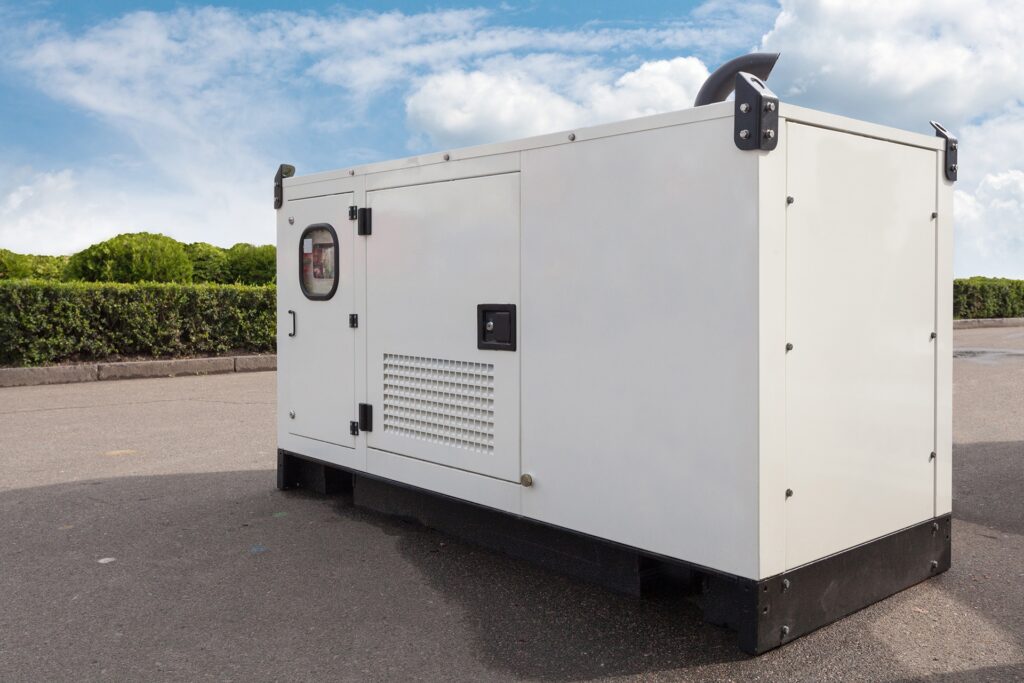
How Emergency Generators Work
Although generator technology has become increasingly sophisticated, the basic operating principle remains straightforward.
The engine converts fuel into mechanical energy. This mechanical energy rotates an alternator that produces electricity, supplying power to connected appliances or electrical systems.
The primary components include:
Engine
The engine supplies mechanical power using one of several fuel types.
Alternator
Converts mechanical energy into electrical power.
Fuel System
Depending on the generator, fuel options may include:
- Gasoline
- Diesel
- Propane
- Natural gas
- Dual fuel
- Tri-fuel
Voltage Regulator
Maintains stable electrical output to protect connected equipment.
Control Panel
Modern Emergency Generators provide digital displays showing:
- Voltage
- Frequency
- Engine hours
- Fuel level
- Maintenance reminders
- Diagnostic information
Automatic Transfer Switch
Standby generators often include an Automatic Transfer Switch (ATS) that automatically detects utility outages, starts the generator, transfers electrical loads, and restores utility power when service returns.
This automatic operation makes Emergency Generators extremely convenient during emergencies.
Types of Emergency Generators
There are several different categories of Emergency Generators, each designed for specific applications.
Portable Emergency Generators
Portable generators are among the most affordable backup power solutions.
They are commonly used for:
- Emergency home backup
- Outdoor events
- Construction sites
- Recreational activities
- Mobile businesses
Advantages include:
- Affordable pricing
- Easy transportation
- Flexible operation
However, they typically require manual startup and manual connection of appliances.
Standby Emergency Generators
Standby generators are permanently installed outside homes or commercial buildings.
These systems automatically:
- Detect power outages
- Start within seconds
- Restore electricity
- Shut down automatically after utility power returns
Standby Emergency Generators provide the highest level of convenience and reliability.
Inverter Emergency Generators
Inverter generators produce exceptionally clean electrical power suitable for sensitive electronics.
Applications include:
- Computers
- Medical equipment
- Televisions
- Smartphones
- Networking equipment
Benefits include:
- Quiet operation
- Excellent fuel efficiency
- Stable electrical output
- Lightweight construction
Commercial Emergency Generators
Commercial systems are engineered for larger electrical loads.
They commonly serve:
- Hospitals
- Schools
- Hotels
- Manufacturing facilities
- Warehouses
- Office buildings
- Shopping centers
Commercial Emergency Generators often include advanced digital monitoring and automatic load management.
Benefits of Emergency Generators
The growing popularity of Emergency Generators is driven by their ability to protect homes, businesses, and critical infrastructure.
Home Protection
A generator helps maintain essential household systems during outages.
These include:
- Refrigerators
- Freezers
- Air conditioning
- Heating systems
- Water pumps
- Lighting
- Internet routers
- Security systems
Reliable backup power helps families remain safe and comfortable.
Business Continuity
Unexpected outages can severely impact businesses.
Emergency Generators help maintain:
- Customer service
- Payment systems
- Computer networks
- Inventory protection
- Manufacturing equipment
- Security systems
Reducing downtime helps protect revenue and customer confidence.
Healthcare Facilities
Hospitals and clinics require uninterrupted electricity for:
- Life-support equipment
- Emergency lighting
- Operating rooms
- Medical refrigeration
- Diagnostic equipment
- Patient monitoring systems
Reliable Emergency Generators are critical for protecting lives.
Construction Sites
Contractors depend on generators to operate:
- Power tools
- Compressors
- Welders
- Concrete equipment
- Temporary lighting
Portable emergency generators allow projects to continue regardless of utility access.
Agricultural Operations
Farmers use Emergency Generators to maintain:
- Irrigation systems
- Barn ventilation
- Livestock facilities
- Water pumps
- Feed systems
- Cold storage
Reliable electricity protects valuable livestock and crops.
Choosing the Right Emergency Generator
Selecting the best Emergency Generators starts with understanding your electrical requirements.
Calculate Your Power Needs
Determine:
- Running watts
- Starting watts
- Simultaneous electrical loads
Selecting additional capacity allows room for future expansion while preventing overload.
Choose the Right Fuel Type
Different fuels offer different advantages.
Gasoline
- Affordable
- Easy to find
- Excellent portability
Diesel
- Outstanding fuel efficiency
- Long engine life
- Commercial applications
Propane
- Clean burning
- Long shelf life
- Lower maintenance
Natural Gas
- Unlimited fuel supply
- Automatic operation
- Ideal for permanent installations
Many modern Emergency Generators are also available as dual-fuel or tri-fuel models, providing even greater flexibility.
Important Features to Look For
Modern Emergency Generators have evolved far beyond simply supplying electricity during a power outage. Today’s models include advanced technology designed to improve reliability, fuel efficiency, convenience, and safety. When comparing generators, choosing the right features can make a significant difference in long-term performance and overall value.
Automatic Transfer Switch (ATS)
An Automatic Transfer Switch is one of the most valuable features found on standby Emergency Generators.
The ATS automatically:
- Detects utility power failure
- Starts the generator
- Transfers electrical loads
- Restores utility power when service returns
- Shuts the generator down safely
This entire process typically occurs within seconds without any user intervention.
Electric Start
Electric start systems allow the generator to start with the push of a button rather than using a manual recoil starter.
This feature is especially valuable during severe weather or emergency situations.
Remote Monitoring
Many premium Emergency Generators now include Wi-Fi or Bluetooth connectivity.
Users can monitor:
- Generator status
- Fuel levels
- Maintenance reminders
- Fault codes
- Operating hours
Some systems even allow remote startup and shutdown using smartphone applications.
Automatic Voltage Regulation (AVR)
Voltage fluctuations can damage valuable electronics and appliances.
Automatic Voltage Regulation helps maintain:
- Stable voltage
- Consistent electrical output
- Better motor starting
- Improved protection for sensitive electronics
Low Oil Shutdown
Running an engine without adequate lubrication can cause catastrophic damage.
Modern Emergency Generators automatically shut down when oil levels become dangerously low.
Digital Control Panel
Today’s generators often include LCD or LED displays showing:
- Voltage
- Frequency
- Fuel level
- Engine hours
- Maintenance schedules
- Diagnostic information
These displays simplify monitoring and troubleshooting.
Weatherproof Enclosures
Standby generators typically feature corrosion-resistant enclosures designed to withstand:
- Rain
- Snow
- Wind
- Dust
- Extreme temperatures
Weatherproof housings extend generator lifespan while reducing maintenance.
Emergency Generator Maintenance
Proper maintenance ensures your Emergency Generators remain dependable whenever they’re needed.
Change Engine Oil
Fresh oil reduces engine wear and improves long-term reliability.
Follow the manufacturer’s recommended maintenance schedule.
Replace Air Filters
Clean air filters improve:
- Fuel efficiency
- Engine performance
- Reliability
- Overall lifespan
Replace dirty filters as necessary.
Inspect Fuel System
Regularly inspect:
- Fuel lines
- Fuel filters
- Fuel tanks
- Regulators
- Connections
Repair damaged components immediately.
Battery Maintenance
Standby generators rely on batteries for automatic starting.
Inspect:
- Battery voltage
- Charging system
- Terminal corrosion
A weak battery is one of the most common causes of generator startup failure.
Exercise the Generator
Most standby Emergency Generators automatically perform weekly exercise cycles.
Routine operation helps:
- Lubricate engine components
- Recharge batteries
- Verify readiness
- Prevent fuel system problems
Portable generators should also be started periodically throughout the year.
Professional Annual Service
A qualified technician should inspect your generator annually.
Professional maintenance typically includes:
- Oil changes
- Filter replacement
- Cooling system inspection
- Electrical testing
- Load testing
- Fuel system inspection
Annual servicing helps maximize reliability while extending generator life.
Emergency Generator Safety Tips
Although Emergency Generators are extremely reliable, safe operation remains essential.
Never Operate Indoors
Generators produce carbon monoxide (CO), an odorless and potentially deadly gas.
Always operate generators:
- Outdoors
- At least 20 feet from buildings
- Away from doors
- Away from windows
- Away from ventilation systems
Install Carbon Monoxide Detectors
Every home with a backup generator should have working carbon monoxide detectors installed.
These devices provide critical protection during generator operation.
Refuel Carefully
Always:
- Turn the generator off
- Allow the engine to cool
- Refuel safely
- Clean spilled fuel immediately
Never refuel a hot generator.
Use Proper Extension Cords
Only use heavy-duty outdoor-rated extension cords capable of safely handling your electrical load.
Never Backfeed Utility Lines
Never connect a portable generator directly into a household wall outlet.
Always use:
- Transfer switches
- Generator interlock kits
- Proper extension cords
Improper electrical connections create dangerous hazards for utility workers and your home’s electrical system.
Keep the Generator Dry
Protect generators from rain and standing water while maintaining adequate ventilation.
Emergency Generators vs Portable vs Standby Generators
Choosing the right system depends on your specific power requirements.
Portable Emergency Generators
Best for:
- Temporary home backup
- Camping
- Construction
- Outdoor events
Advantages:
- Affordable
- Easy to transport
- Flexible applications
Disadvantages:
- Manual operation
- Lower power output
- Manual refueling
Standby Emergency Generators
Best for:
- Whole-home backup
- Businesses
- Healthcare facilities
- Permanent installations
Advantages:
- Automatic operation
- Higher power capacity
- Continuous fuel supply
- Greater convenience
Disadvantages:
- Higher installation cost
- Professional installation required
Inverter Emergency Generators
Best for:
- Sensitive electronics
- RVs
- Recreational activities
- Quiet residential operation
Advantages:
- Quiet performance
- Stable electrical output
- Excellent fuel economy
- Lightweight design
Disadvantages:
- Lower power output than large standby systems
Each category of Emergency Generators offers unique benefits depending on your application and budget.
Latest Innovations in Emergency Generators (2025–2026)
Technology continues making Emergency Generators more efficient and easier to manage.
Recent innovations include:
- Smartphone monitoring
- Wi-Fi diagnostics
- Bluetooth connectivity
- Carbon monoxide shutdown systems
- Electronic fuel injection
- Automatic exercise scheduling
- Remote maintenance alerts
- Smart load management
- Parallel generator capability
- Improved sound insulation
These advancements improve convenience while reducing operating costs and maintenance requirements.
Frequently Asked Questions
How long do emergency generators last?
With proper maintenance, quality Emergency Generators often provide 15 to 30 years of dependable service depending on operating hours and fuel type.
Can emergency generators power an entire home?
Yes.
Properly sized standby generators connected through an automatic transfer switch can provide whole-house backup power.
Which fuel type is best?
Each fuel has advantages:
- Gasoline — portable and widely available
- Diesel — excellent fuel efficiency and durability
- Propane — clean burning with long storage life
- Natural Gas — continuous fuel supply with automatic operation
How often should emergency generators be serviced?
Most manufacturers recommend:
- Routine inspections
- Oil changes every 50–100 hours (or as specified)
- Annual professional servicing
Always follow the maintenance schedule in the owner’s manual.
Are emergency generators worth the investment?
Absolutely.
They protect homes, businesses, valuable equipment, food supplies, medical devices, and critical operations from the costly consequences of unexpected power outages.
Final Thoughts
As power outages become increasingly common due to severe weather, aging electrical infrastructure, and growing energy demands, investing in dependable Emergency Generators has become one of the smartest decisions homeowners and businesses can make. Reliable backup power not only protects property and equipment but also ensures the safety, comfort, and productivity of everyone who depends on electricity every day.
Modern Emergency Generators combine advanced engineering with user-friendly technology to deliver dependable power whenever utility service fails. Features such as automatic transfer switches, remote monitoring, digital control systems, quiet operation, and improved fuel efficiency make today’s generators more capable and convenient than ever before.
Whether you’re protecting your family during a storm, keeping a business operational, supporting healthcare equipment, or maintaining essential agricultural operations, Emergency Generators provide dependable performance when every second matters. By choosing the right generator size, selecting the most appropriate fuel type, following routine maintenance schedules, and practicing safe operation, you can enjoy years of reliable backup power and complete peace of mind.
Preparing before the next outage occurs is always the best strategy. A quality emergency generator ensures that when the unexpected happens, your home or business remains powered, protected, and ready to continue operating without interruption.