
Power Generators: The Ultimate Guide to Reliable Home & Commercial Power Solutions (2025–2026)
Reliable electricity has become one of the most important necessities in modern life. Whether you’re running a home, operating a business, managing a construction project, or preparing for emergencies, uninterrupted power keeps essential systems operating safely and efficiently. Unfortunately, severe weather, utility failures, aging infrastructure, and unexpected outages continue to disrupt electrical service around the world. This is why Power Generators have become an essential investment for homeowners, businesses, contractors, healthcare facilities, and industrial operations.
Modern Power Generators provide dependable electricity whenever utility power is unavailable. They can supply emergency backup power during outages, deliver continuous electricity at remote locations, or support critical infrastructure where uninterrupted power is essential. From powering refrigerators and medical equipment at home to supporting hospitals, factories, farms, telecommunications systems, and construction sites, generators play a vital role in keeping people safe and productive.
Today’s Power Generators are more efficient, quieter, and technologically advanced than ever before. Many models include automatic transfer switches, remote monitoring, inverter technology, smartphone connectivity, digital controllers, advanced fuel management systems, and improved emissions controls. Available in a wide range of sizes and fuel types, generators can be tailored to virtually any residential, commercial, or industrial application.
Whether you’re purchasing your first generator or upgrading an existing backup system, this comprehensive guide explains everything you need to know about Power Generators, including their operation, available types, benefits, applications, maintenance requirements, and how to choose the best generator for your specific needs.
Why Choose Power Generators?
Reliable electricity is no longer considered a luxury—it is a necessity. Homes rely on electricity for heating, cooling, refrigeration, communication, security, entertainment, and medical equipment. Businesses depend on electricity to serve customers, process transactions, protect inventory, and maintain productivity.
Unexpected outages can result in:
- Lost productivity
- Food spoilage
- Business interruptions
- Equipment damage
- Data loss
- Security concerns
- Safety risks
- Financial losses
Investing in Power Generators provides protection against these disruptions while ensuring your home or business continues operating when utility service fails.
Some of the biggest advantages include:
- Reliable backup power
- Continuous business operation
- Emergency preparedness
- Protection of sensitive electronics
- Improved property value
- Greater peace of mind
- Fuel flexibility
- Long-term cost savings
Whether used occasionally during emergencies or continuously in off-grid applications, Power Generators provide dependable performance whenever electricity is needed.
How Power Generators Work
Although generator technology has advanced considerably over the years, the basic operating principle remains the same.
A generator converts mechanical energy into electrical energy through electromagnetic induction.
The process begins when the engine burns fuel to create mechanical rotation. This rotational force drives the alternator, which converts mechanical energy into usable electrical power.
The primary components include:
Engine
The engine provides mechanical energy using one of several fuel sources.
Alternator
The alternator transforms mechanical rotation into electrical current.
Fuel System
Depending on the generator model, fuel options may include:
- Gasoline
- Diesel
- Propane
- Natural gas
- Dual fuel
- Tri-fuel
Voltage Regulator
Maintains stable voltage output to protect connected appliances and equipment.
Cooling System
Prevents overheating during operation.
Generators may use:
- Air cooling
- Liquid cooling
Lubrication System
Reduces friction between moving engine components while extending engine life.
Control Panel
Modern Power Generators include digital control panels displaying:
- Voltage
- Frequency
- Fuel level
- Engine hours
- Maintenance reminders
- Fault diagnostics
Together, these systems allow generators to deliver safe, stable, and dependable electrical power.
Types of Power Generators
Different applications require different generator designs.
Understanding the available types of Power Generators helps ensure you purchase the right equipment.
Portable Power Generators
Portable generators are designed for mobility and temporary power applications.
They are commonly used for:
- Home backup
- Construction sites
- Outdoor events
- Camping
- RV travel
- Mobile businesses
Advantages include affordability, portability, and flexibility.
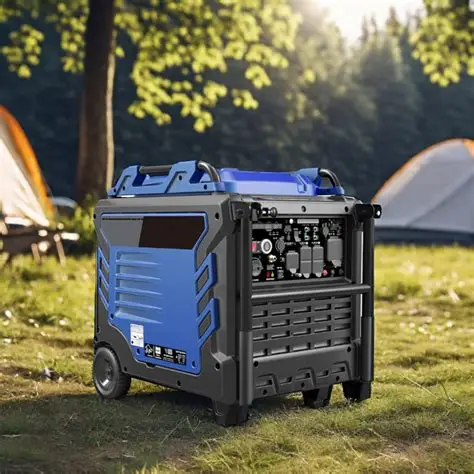
Inverter Power Generators
Inverter generators produce clean, stable electrical output suitable for sensitive electronics.
Benefits include:
- Quiet operation
- Excellent fuel efficiency
- Lightweight construction
- Stable voltage
- Reduced emissions
These Power Generators are especially popular among homeowners, campers, and RV owners.
Standby Power Generators
Standby generators are permanently installed outside homes or commercial buildings.
They automatically:
- Detect utility outages
- Start within seconds
- Restore electricity
- Shut down automatically after utility service returns
Standby systems provide maximum convenience and reliability.
Commercial and Industrial Power Generators
Heavy-duty generators supply electricity for:
- Hospitals
- Manufacturing plants
- Data centers
- Warehouses
- Telecommunications
- Oil and gas facilities
- Mining operations
- Infrastructure projects
These commercial Power Generators are designed for continuous operation under demanding conditions.
PTO Generators
Power Take-Off (PTO) generators connect directly to tractors.
They are commonly used in:
- Agriculture
- Rural properties
- Emergency farm backup
- Remote construction
PTO generators provide a cost-effective solution for users who already own compatible tractors.
Benefits of Power Generators
The growing popularity of Power Generators is driven by their versatility and dependable performance.
Home Backup Power
Power outages can interrupt:
- Heating
- Air conditioning
- Refrigeration
- Medical equipment
- Internet service
- Security systems
- Lighting
Reliable generators restore these essential services within minutes.
Business Continuity
Commercial facilities rely on Power Generators to maintain:
- Customer service
- Computer systems
- Manufacturing equipment
- Inventory protection
- Security systems
- Communication networks
Reducing downtime helps protect revenue and customer confidence.
Construction Sites
Contractors depend on generators to power:
- Welders
- Compressors
- Circular saws
- Concrete equipment
- Temporary lighting
- Heavy-duty power tools
Portable power allows projects to continue even in remote locations without utility service.
Agricultural Operations
Farmers frequently use Power Generators to operate:
- Irrigation systems
- Water pumps
- Livestock facilities
- Grain handling equipment
- Barn lighting
- Cold storage
Reliable electricity helps protect crops and livestock during emergencies.
Emergency Response
Hospitals, emergency shelters, disaster recovery teams, and first responders depend on Power Generators to maintain critical operations during natural disasters and widespread outages.
Choosing the Right Power Generator
Selecting the right Power Generators requires careful planning.
Determine Your Power Requirements
Calculate:
- Running watts
- Starting watts
- Simultaneous electrical loads
- Future expansion needs
Choosing additional capacity improves reliability while allowing room for future growth.
Select the Right Fuel Type
Different fuel types offer different advantages.
Gasoline
- Affordable
- Easy to obtain
- Excellent portability
Diesel
- Outstanding fuel economy
- Long engine life
- Commercial applications
Propane
- Clean burning
- Long fuel shelf life
- Lower maintenance
Natural Gas
- Continuous fuel supply
- Automatic operation
- Excellent for standby installations
Dual and Tri-Fuel
Multi-fuel Power Generators provide maximum flexibility during emergencies when fuel availability may change.
Important Features to Look For
Modern Power Generators have evolved far beyond basic emergency power systems. Today’s models incorporate advanced technologies that improve efficiency, convenience, safety, and overall reliability. Whether you’re purchasing a generator for your home, business, farm, construction site, or industrial facility, choosing the right features can significantly improve performance and long-term value.
Automatic Transfer Switch (ATS)
One of the most valuable features found on standby Power Generators is the Automatic Transfer Switch (ATS).
The ATS continuously monitors utility power and automatically:
- Detects power outages
- Starts the generator
- Transfers electrical loads
- Restores utility power when available
- Safely shuts the generator down
This entire process typically occurs within seconds without requiring any manual operation.
Electric Start
Electric start systems allow users to start the generator quickly by pressing a button instead of using a manual recoil starter.
Many premium Power Generators also include remote start functionality for additional convenience.
Automatic Voltage Regulation (AVR)
Electrical equipment requires stable voltage for safe operation.
Automatic Voltage Regulation helps protect:
- Computers
- Medical equipment
- Televisions
- Refrigerators
- HVAC systems
- Industrial machinery
AVR minimizes voltage fluctuations that could otherwise damage sensitive electronics.
Digital Control Panel
Modern Power Generators feature intelligent digital displays that provide real-time operating information such as:
- Voltage
- Frequency
- Fuel level
- Engine hours
- Oil pressure
- Maintenance reminders
- Error diagnostics
These systems make monitoring and maintenance significantly easier.
Remote Monitoring
Many commercial and residential generators now include:
- Wi-Fi connectivity
- Bluetooth monitoring
- Smartphone applications
- Remote diagnostics
- Maintenance alerts
Users can monitor generator status from virtually anywhere.
Low Oil Shutdown
Running an engine without sufficient lubrication can cause severe engine damage.
Most quality Power Generators automatically shut down if oil levels become dangerously low.
Weather-Resistant Enclosures
Standby generators are designed to remain outdoors year-round.
High-quality enclosures protect generators against:
- Rain
- Snow
- UV exposure
- Wind
- Dust
- Corrosion
These durable housings help maximize equipment lifespan.
Power Generator Maintenance
Routine maintenance is essential for keeping Power Generators operating reliably whenever they are needed.
Change Engine Oil
Fresh engine oil helps reduce wear while extending engine life.
Follow the manufacturer’s recommended maintenance intervals.
Replace Air Filters
Clean air filters improve:
- Fuel efficiency
- Engine performance
- Reliability
- Overall operating life
Dirty filters restrict airflow and reduce power output.
Inspect Fuel System
Regularly inspect:
- Fuel lines
- Fuel filters
- Fuel tanks
- Regulators
- Fuel connections
Replace damaged components immediately.
Battery Maintenance
Generators equipped with electric start rely on healthy batteries.
Inspect:
- Battery voltage
- Charging system
- Corrosion
- Cable connections
A properly maintained battery ensures dependable starting during emergencies.
Exercise the Generator
Even generators that are rarely used should be operated under load for approximately 20 to 30 minutes every month.
Routine exercise helps:
- Lubricate internal components
- Recharge batteries
- Prevent fuel system issues
- Verify operational readiness
Many standby Power Generators perform this process automatically.
Professional Annual Service
Professional servicing should include:
- Oil changes
- Filter replacement
- Cooling system inspection
- Electrical testing
- Load testing
- Fuel system inspection
Annual maintenance helps maximize reliability while extending equipment life.
Power Generator Safety Tips
Although Power Generators are extremely dependable, safe operation remains critical.
Never Operate Indoors
Generators produce carbon monoxide (CO), an odorless and potentially deadly gas.
Always operate generators:
- Outdoors
- Away from doors
- Away from windows
- Away from ventilation systems
Install Carbon Monoxide Detectors
Every home using generators should have working carbon monoxide detectors installed.
These devices provide an essential layer of protection.
Refuel Safely
Always:
- Turn the generator off
- Allow the engine to cool
- Refuel carefully
- Clean spilled fuel immediately
Never add gasoline to a hot engine.
Use Proper Extension Cords
Only use heavy-duty outdoor-rated extension cords capable of safely handling your electrical load.
Never Backfeed Utility Lines
Never connect a portable generator directly into a household wall outlet.
Always use:
- Transfer switches
- Generator interlock kits
- Approved electrical connections
Improper connections can create dangerous hazards for utility workers and your home’s electrical system.
Keep the Generator Dry
Protect portable generators from rain and standing water while ensuring adequate ventilation.
Power Generators vs Portable vs Standby vs Inverter Generators
Understanding the differences between generator types helps buyers select the right solution.
Portable Power Generators
Best for:
- Home backup
- Camping
- Construction
- Outdoor events
- RV travel
Advantages:
- Affordable
- Easy transportation
- Flexible operation
Disadvantages:
- Manual startup
- Manual refueling
- Lower electrical capacity
Standby Power Generators
Best for:
- Whole-home backup
- Businesses
- Hospitals
- Commercial facilities
Advantages:
- Automatic operation
- Higher power output
- Continuous fuel supply
- Greater convenience
Disadvantages:
- Higher installation costs
- Permanent installation required
Inverter Power Generators
Best for:
- Sensitive electronics
- Recreational use
- Residential neighborhoods
- RV owners
Advantages:
- Quiet operation
- Stable electrical output
- Excellent fuel economy
- Lightweight design
Disadvantages:
- Lower maximum power output
Industrial Power Generators
Best for:
- Manufacturing
- Data centers
- Hospitals
- Oil and gas
- Mining
- Large infrastructure projects
Advantages:
- Continuous operation
- High power capacity
- Outstanding durability
Disadvantages:
- Higher purchase and installation costs
Each category of Power Generators offers unique advantages depending on your specific application and power requirements.
Latest Innovations in Power Generators (2025–2026)
Technology continues transforming Power Generators into smarter, cleaner, and more efficient power solutions.
Recent innovations include:
- Smartphone monitoring
- Bluetooth connectivity
- Wi-Fi diagnostics
- Automatic maintenance alerts
- Carbon monoxide shutdown systems
- Electronic fuel injection
- Smart load management
- Parallel operation capability
- Hybrid generator technology
- Improved emissions controls
These advancements improve reliability while reducing fuel consumption and maintenance costs.
Frequently Asked Questions
How long do power generators last?
With proper maintenance, quality Power Generators can provide reliable service for 15 to 30 years depending on engine type, usage, and operating conditions.
Which fuel is best for a generator?
Each fuel offers unique advantages:
- Gasoline — affordable and portable
- Diesel — fuel efficient and extremely durable
- Propane — clean burning with long storage life
- Natural Gas — continuous fuel supply for standby systems
The best choice depends on your intended application.
Can power generators operate continuously?
Many commercial and industrial Power Generators are designed for continuous operation when properly maintained and adequately fueled.
Portable generators typically require periodic shutdowns for maintenance and refueling.
Are inverter generators better than conventional generators?
For sensitive electronics and quiet operation, inverter generators are generally the better option.
For heavy-duty commercial equipment and larger electrical loads, conventional generators often provide greater power output at a lower cost.
Are power generators worth the investment?
Absolutely.
Whether protecting a home, business, farm, or industrial operation, Power Generators provide dependable electricity, minimize financial losses, improve safety, and deliver valuable peace of mind during unexpected outages.
Final Thoughts
As our dependence on reliable electricity continues to grow, investing in dependable Power Generators has become more important than ever. Whether you’re protecting your family during severe weather, maintaining business operations, supporting healthcare equipment, powering remote construction sites, or ensuring uninterrupted industrial production, generators provide the reliable electricity needed to keep life and work moving forward.
Modern Power Generators combine advanced engineering, intelligent digital controls, fuel-efficient engines, and enhanced safety systems to deliver exceptional performance across a wide range of applications. With options including portable, inverter, standby, commercial, industrial, dual-fuel, and tri-fuel models, there is a generator available to meet virtually every power requirement and budget.
By carefully evaluating your electrical needs, selecting the appropriate generator type, choosing the best fuel source, and following proper maintenance and safety practices, you can enjoy years of dependable backup power and operational confidence. As technology continues advancing with smarter monitoring systems, quieter operation, improved fuel efficiency, and lower emissions, Power Generators will remain one of the most valuable investments for ensuring uninterrupted power in homes, businesses, farms, and industrial facilities.
When the unexpected happens, reliable electricity can make all the difference. Investing in high-quality Power Generators ensures you’re prepared to keep essential systems running, protect valuable assets, and maintain productivity no matter what challenges arise.